Earn Up to $600: Health Insurance Premium Credits Explored
Advertisements
Workplace wellness premium credits in 2026 may help eligible employees reduce health insurance costs through employer-sponsored programs. Some plans offer incentives worth $600 annually, but amounts, activities, and eligibility depend on the employer and applicable federal rules.
Workplace wellness premium credits in 2026 may provide an opportunity for eligible American employees to reduce the amount they pay for employer-sponsored health insurance.
Some employers offer incentives for completing wellness activities, participating in educational programs, or meeting requirements established by their health plans.
However, a $600 annual credit is not a universal federal benefit. This guide explains how wellness incentives work, what employees should verify, and how to participate responsibly.
Understanding Workplace Wellness Programs and Premium Credits
Workplace wellness programs are employer-sponsored initiatives intended to encourage healthier habits, provide health-related resources, or help employees manage certain health risks.
Depending on program design, participants may receive premium discounts, financial incentives, reimbursements, or access to additional wellness services.
For some employees, these opportunities complement other benefits discussed in guides to healthcare savings. However, wellness credits operate differently from federal tax benefits.
What Are Health Insurance Premium Credits?
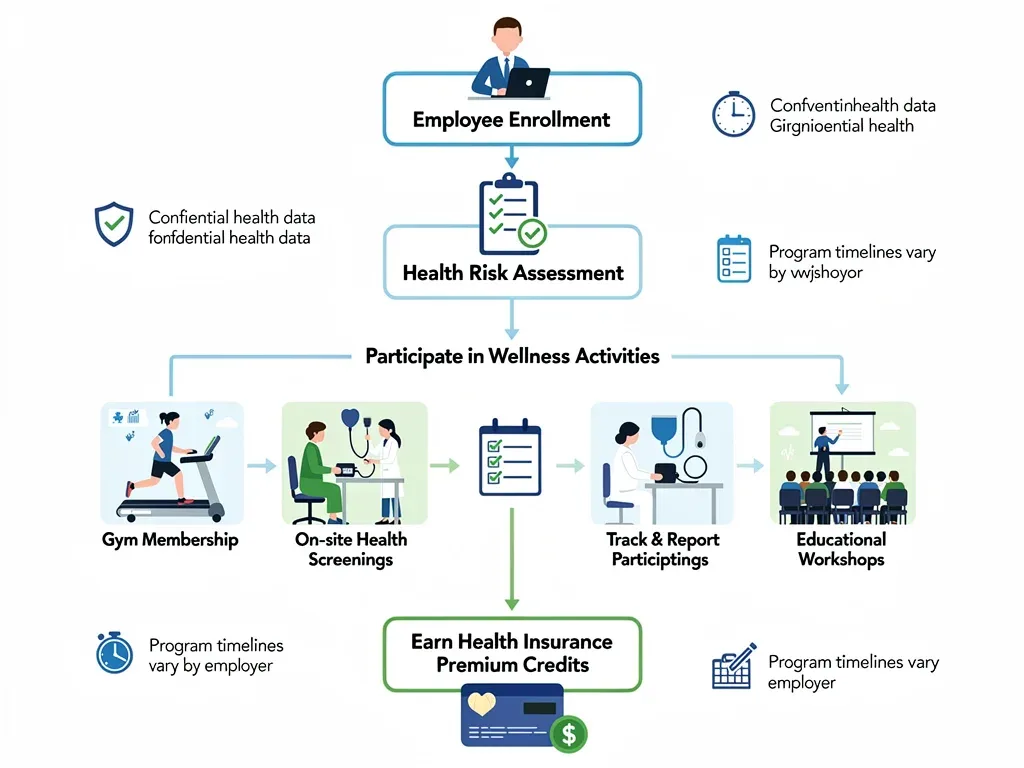
Employer wellness premium credits are incentives that may reduce an eligible employee's contribution toward health insurance coverage.
For example, a company might offer a $50 monthly premium reduction to participants who satisfy its wellness program requirements.
Over 12 months, that discount would equal $600. This calculation illustrates a possible employer benefit rather than an amount guaranteed by federal law.
Why Employers Offer Wellness Programs
Employers may provide wellness services to support employee well-being, encourage preventive care, and improve access to health-related information.
Programs can include fitness activities, educational workshops, stress-management resources, and other services depending on company priorities.
Although employers may hope these initiatives improve productivity or reduce healthcare costs, actual results vary and should not be assumed without reliable evidence.
The Mechanics of Earning Premium Credits
Employees generally need to review their employer's specific wellness program before determining whether they qualify for a premium discount.
Some programs reward participation in activities, while others establish health-related standards and must satisfy additional federal nondiscrimination requirements.
Understanding these differences is important because not every program uses the same activities, deadlines, or verification procedures.
Common Wellness Activities That Qualify
Health education, wellness assessments, and certain preventive services may qualify under employer programs when participation requirements are properly established.
Other employers offer incentives related to physical activity, nutrition education, tobacco cessation, or participation in stress-management programs.
Specific activities and rewards vary by plan. Employees should confirm whether completion, attendance, or other criteria determine eligibility.
Participation-Based Versus Health-Contingent Programs
Participatory programs provide benefits without requiring employees to meet a particular health-related outcome. Examples may include attending an educational session.
Health-contingent programs require participation in an activity related to a health factor or satisfaction of a particular health standard.
Federal rules establish additional requirements for health-contingent programs, including limitations on rewards and reasonable alternatives when applicable.
How Premium Discounts May Appear on Your Paycheck
When a wellness incentive reduces employee health insurance contributions, the savings may appear through lower payroll deductions or another plan-defined adjustment.
The timing depends on the employer's administration process. Some programs apply eligible discounts prospectively rather than immediately.
Employees should examine payroll statements and benefits records to confirm how an earned incentive has been applied.
Eligibility and Participation Requirements
Eligibility for employer-sponsored wellness incentives depends on the rules of the particular program and the employee's coverage arrangement.
Some employers limit premium-related incentives to employees enrolled in an eligible group health plan, while others offer separate wellness benefits.
Additional information about workplace benefits may be available in guides explaining how to maximize employer benefits and understand enrollment requirements.
Key Steps to Maximize Your Credits
Begin by requesting the wellness program description from your employer's human resources or benefits department. Review available activities and eligibility conditions.
Identify registration deadlines, required documentation, and the period during which an incentive can be earned or applied.
When requirements are unclear, ask for written clarification before providing personal health information or purchasing services related to participation.
Can Spouses and Dependents Participate?
Some employers extend wellness resources to spouses or other covered family members, but eligibility varies significantly between programs.
Family participation may affect the applicable health coverage arrangement and how certain incentive limits are calculated.
Employees should confirm who is eligible, which activities qualify, and whether participation requires sharing additional information.
What If You Miss an Enrollment Deadline?
Missing a registration or activity deadline may affect eligibility for a particular incentive period, depending on the employer's written rules.
Some programs provide multiple participation opportunities or allow qualification at specified times during the plan year.
Contact your benefits administrator to determine whether additional opportunities are available rather than assuming the entire annual incentive has been lost.
The Impact on Employee Health and Finances
Wellness incentives may reduce eligible employees' insurance contributions, providing a financial benefit when program requirements are satisfied.
For households managing healthcare expenses, even a modest monthly reduction can make budgeting easier, especially when medical coverage represents a recurring cost.
However, financial savings and improvements in health outcomes are separate considerations. Participation does not guarantee better health or lower medical expenses.
How Much Could a $600 Annual Credit Save?
An annual premium reduction of $600 is equivalent to $50 per month when the discount applies evenly throughout a 12-month period.
For example, an employee contributing $200 monthly toward coverage would pay $150 per month if an eligible $50 reduction applied in full.
Actual savings may differ if the incentive begins later in the year, requires additional conditions, or is distributed through a different benefits arrangement.
Premium Credits Versus Other Financial Benefits
Premium credits reduce certain insurance expenses, while other wellness benefits may involve gift cards, reimbursements, or access to employer-sponsored services.
These incentives may have different tax implications and administrative requirements. A premium discount should not automatically be treated as a tax credit.
Employees should review the official plan materials and consult their benefits administrator when comparing different forms of financial support.
How Wellness Activities May Support Employees
Wellness programs may provide access to educational resources, physical activity opportunities, and services designed to encourage preventive health behaviors.
The usefulness of these programs depends on their design, accessibility, and relevance to individual participants.
Employees should choose appropriate activities based on personal needs and professional medical advice when necessary, rather than pursuing incentives at the expense of safety.
Employer Benefits and Program Sustainability
Employers may introduce wellness programs to support employee well-being and provide additional value within their compensation and benefits packages.
These initiatives can offer educational opportunities, encourage workplace engagement, and demonstrate organizational interest in employee health.
However, their financial and operational effectiveness should be evaluated through appropriate evidence rather than assuming that every program reduces costs or absenteeism.
Strategies for Successful Wellness Program Implementation
Clear communication is important so that employees understand the available incentives, eligibility requirements, and procedures for participation.
Offering accessible activities and appropriate alternatives can help accommodate employees with different abilities, schedules, and personal circumstances.
Employers should also regularly review participation data, employee feedback, and compliance obligations while protecting individual health information.
Why Accessibility Matters
Wellness programs may attract employees with different interests and health needs, making a single activity inappropriate for every participant.
Providing multiple ways to engage can improve accessibility and help avoid unnecessary barriers to earning available rewards.
For health-contingent programs, reasonable alternative standards may be required when a medical condition makes the original standard difficult or medically inadvisable.
How Employers Can Evaluate Program Effectiveness
Employers can review participation rates, employee satisfaction, administrative expenses, and other appropriate indicators when assessing wellness initiatives.
Any analysis involving health information should follow applicable confidentiality requirements and avoid unnecessary disclosure of individual medical records.
Program improvements should reflect reliable evidence and employee needs rather than unsupported assumptions about productivity or healthcare savings.
Navigating Regulations and Compliance
Employer wellness incentives are subject to legal requirements that depend on program structure and the type of information collected.
Applicable federal rules may include provisions under HIPAA, the Affordable Care Act, the Americans with Disabilities Act, and the Genetic Information Nondiscrimination Act.
These requirements help address discrimination, incentive limitations, reasonable alternatives, and privacy protections within relevant workplace programs.
Ensuring Fair and Compliant Programs
Under federal HIPAA and ACA wellness rules, health-contingent incentives generally cannot exceed 30% of the total cost of applicable coverage.
For programs designed to prevent or reduce tobacco use, the permitted maximum may reach 50%, subject to applicable requirements and calculation rules.
These percentages represent regulatory limits, not promised employee rewards. A company may offer a smaller incentive or no premium credit at all.
Reasonable Alternative Standards
Health-contingent wellness programs must satisfy rules intended to prevent certain forms of health-status discrimination.
When participants cannot meet an activity standard because of a medical condition, or meeting it would be medically inadvisable, a reasonable alternative may be required.
Employees should review the program's written notice and contact the benefits administrator if they need information about alternative qualification methods.
Important Regulatory Developments in 2026
In August 2026, federal agencies issued updated guidance concerning health-contingent wellness programs and reasonable alternative standards.
The guidance addressed the timing of rewards after completion of an alternative standard and certain disclosure obligations in plan materials.
Because these rules involve specific circumstances and enforcement policies, employers and employees should consult current official guidance rather than relying on generalized summaries.
Protecting Employee Health Information
Wellness programs may collect sensitive information through questionnaires, screenings, or other activities. Privacy protections depend on applicable laws and program structure.
HIPAA protections apply to relevant health-plan information, while the ADA and GINA impose additional restrictions in appropriate circumstances.
Employees should receive clear information about data collection, permitted uses, and applicable confidentiality measures before participating in activities involving medical information.
Future Trends in Workplace Wellness
Workplace wellness programs may continue incorporating digital tools, educational resources, and different approaches to employee participation.
Some employers already use online portals or mobile applications to communicate activities, track eligible participation, and provide benefits information.
However, changes in technology do not guarantee better program results. Privacy, accessibility, and practical usefulness remain important considerations.
Digital Tools and Wellness Tracking
Employee benefits portals may display available wellness activities, enrollment instructions, deadlines, and progress toward qualifying rewards.
Some programs also incorporate health-related applications or wearable devices, although participation requirements and data practices vary.
Before connecting personal devices, employees should understand what information is collected and how it may be used or shared.
Greater Attention to Mental Well-Being
Some wellness initiatives include stress-management education, employee assistance resources, and support for maintaining healthy workplace routines.
These services may complement existing health benefits but should not be treated as substitutes for professional diagnosis or treatment when needed.
Program availability and effectiveness vary, so employees should review the resources actually offered by their organization.
Why Personalization Requires Privacy Safeguards
Personalized wellness resources may help employees identify activities relevant to their interests or circumstances.
However, collecting additional personal health information introduces confidentiality and data-security responsibilities for program administrators.
Any technology-based approach should prioritize appropriate consent or other applicable legal requirements, limited data access, and transparent information practices.
Maximizing Your Premium Credit Potential
Employees interested in workplace wellness premium credits in 2026 should begin with the official benefits documents provided by their employers.
These materials explain whether financial incentives are available, which activities qualify, and how rewards are applied.
Additional insights about using available benefits may be found in guides discussing lesser-known health benefits and workplace coverage options.
Tips for Consistent Engagement
Choose qualifying activities that fit your schedule, interests, and individual circumstances, while following any applicable professional health guidance.
Use a calendar or benefits portal to monitor deadlines and document completed activities when verification is required.
Regularly review your progress and ask questions if a reward does not appear as expected. Consistency helps with administration but cannot guarantee eligibility.
Questions to Ask Your HR Department
Start by confirming whether your employer offers a premium discount, reimbursement, or another form of wellness incentive.
Ask about the maximum available value, eligible participants, qualification requirements, deadlines, and how any earned benefit will appear on payroll records.
Also request information about reasonable alternatives and privacy protections, especially if an activity involves medical questionnaires or health screenings.
How to Verify Your Earned Credit
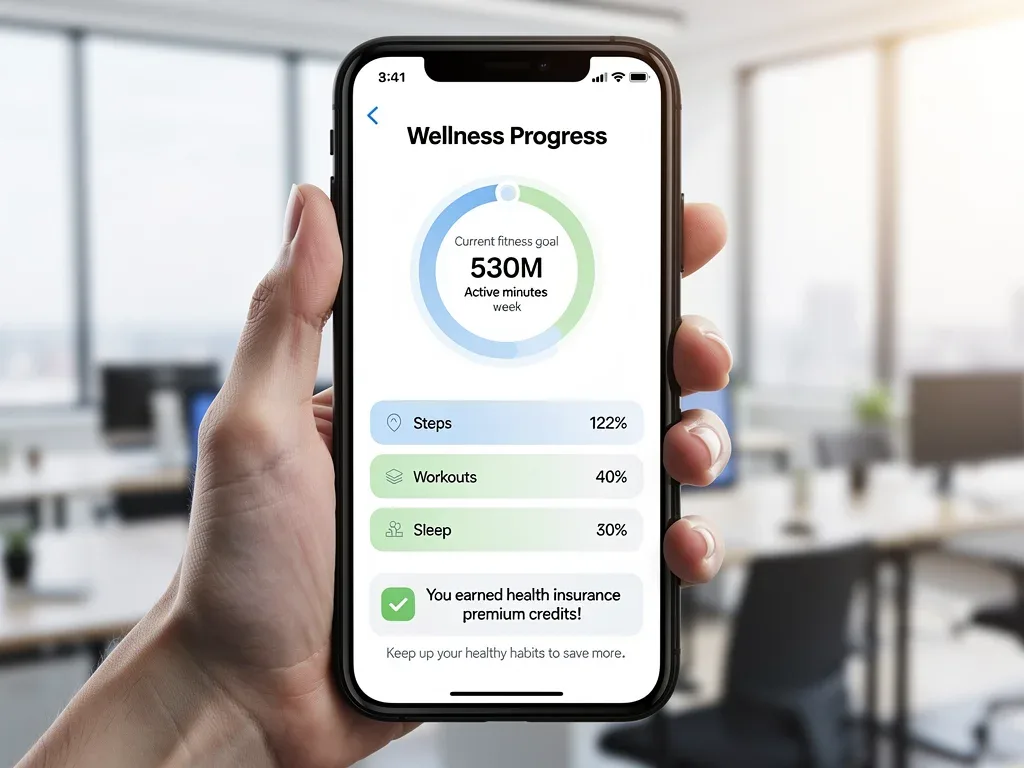
Once you complete the required activities, check your employer's wellness portal or other confirmation system for an updated eligibility status.
Review your health insurance deductions or applicable benefits records to determine whether the incentive has been applied.
If the expected adjustment is missing, contact the benefits administrator and provide any relevant confirmation records without unnecessarily disclosing sensitive medical details.
Workplace Wellness Premium Credits: Key Takeaways
Workplace wellness premium credits in 2026 can help certain employees reduce health insurance costs, but availability and reward amounts depend on the employer.
A $600 annual credit is an illustrative benefit, not a universal entitlement. Eligibility may involve participation requirements, deadlines, and appropriate alternatives.
The following table summarizes the main considerations for evaluating wellness incentives within an employer-sponsored health plan.
Key Point | Brief Description |
|---|---|
Credit Opportunity | Some employers may offer incentives equivalent to $600 annually, but there is no universal federal credit of this amount. |
Program Participation | Eligibility depends on the employer's program, qualifying activities, deadlines, and applicable alternative standards. |
Benefits | Qualifying incentives may reduce employee insurance contributions and provide access to wellness resources. |
Compliance | Relevant programs must follow applicable ACA, HIPAA, ADA, and GINA requirements, including nondiscrimination and privacy protections. |
Frequently Asked Questions About Wellness Credits
What are health insurance premium credits?
Employer wellness premium credits are incentives that may reduce employees' contributions toward eligible health insurance coverage. They differ from federal premium tax credits and are available only when offered under applicable employer or health plan arrangements.
How can I earn up to $600 in credits?
If your employer offers a wellness incentive worth $600 annually, review its qualifying activities and deadlines. Requirements may involve participation in educational sessions, designated wellness activities, or other eligible steps. The amount and conditions depend on the specific program.
Are these wellness programs mandatory?
Many workplace wellness programs are designed as voluntary initiatives. However, eligibility for particular incentives may depend on satisfying stated program requirements. Programs that request medical information or establish health-related standards must also comply with applicable legal protections.
What if I have a medical condition that prevents participation?
Health-contingent programs may be required to provide reasonable alternative standards when a medical condition makes the original requirement difficult or medically inadvisable. Employees should review plan notices and ask their benefits administrator about applicable alternatives. Additional information about healthcare options is available in this guide to telemedicine benefits.
How do I find out about my employer's wellness program?
Contact your human resources department or consult your employee benefits portal, health plan materials, and internal communications. Request written information about eligibility, activities, maximum rewards, deadlines, privacy practices, and how earned incentives are applied.
What This Means for Employees in 2026
Employer-sponsored wellness programs may provide financial incentives and access to services that support employee well-being, but specific benefits vary substantially between workplaces.
Employees exploring workplace well-being resources should distinguish confirmed plan benefits from generalized claims about guaranteed premium reductions.
Understanding the program's rules, checking available alternatives, and protecting personal health information can help employees make informed decisions about participation and potential savings.