Maximize Your Dental Benefits: $1,500 Before December 31
Advertisements
Strategies to Fully Utilize Your $1,500 Annual Dental Insurance Benefit Before December 31 explains how to review dental coverage, schedule necessary treatments, understand annual maximums, and prepare for potential out-of-pocket expenses.
For plans that reset on January 1, completing eligible care before year-end may help patients use available benefits without rushing into unnecessary procedures.
Your annual dental insurance benefit can help cover eligible preventive and restorative treatments, but understanding when coverage resets is essential for making informed decisions before December 31.
Many dental insurance plans establish an annual maximum, such as $1,500, representing the amount the insurer may pay toward covered services during the applicable benefit year.
By reviewing your remaining coverage, consulting your dentist, and confirming the insurer's payment rules, you can plan necessary dental care while avoiding unexpected expenses and unnecessary treatment.
Understanding Your Annual Dental Insurance Benefit Cycle
An annual dental insurance benefit generally operates within a defined benefit period, during which the insurer pays eligible claims according to the plan's maximum, deductibles, and coverage rules.
Some plans follow the calendar year and reset on January 1, while others use a different twelve-month benefit period determined by the insurer or employer.
Before scheduling year-end treatment, confirm your plan's actual renewal date and whether unused coverage expires, carries forward under a specific provision, or is subject to additional limitations.
Reviewing Your Dental Insurance Policy Details
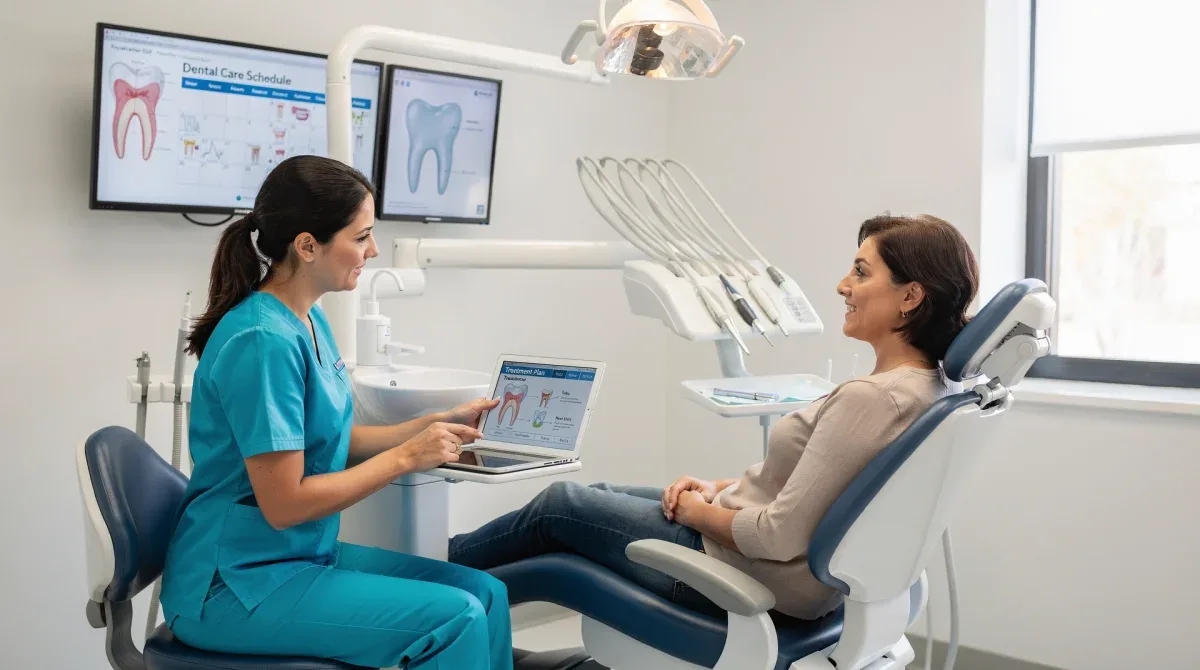
Reviewing your dental insurance policy helps identify the services covered, the annual payment limit, participating providers, and any restrictions that may affect treatment costs.
A $1,500 annual dental insurance benefit usually means the insurer may pay up to that amount for covered services during the plan year, not that patients automatically receive $1,500 in cash or free treatment.
Understanding the difference between annual maximums, deductibles, copayments, and coinsurance can also help you make better decisions about your existing insurance benefits.
Decoding Your Coverage Percentages
Dental insurance plans frequently divide covered treatments into preventive, basic, and major categories, with different payment percentages and restrictions applying to each category.
For example, a plan might cover eligible preventive services at 100%, basic restorative procedures at 80%, and certain major treatments at 50%, although these percentages are illustrative rather than universal.
When reviewing your annual dental insurance benefit, verify the actual coverage percentages, applicable network rates, deductible requirements, and whether preventive services count toward your annual maximum.
Preventive Care: Cleanings, examinations, and eligible diagnostic services may receive favorable coverage.
Basic Procedures: Fillings and other treatments may require coinsurance or deductible payments.
Major Procedures: Crowns, bridges, and dentures may have higher out-of-pocket costs or additional limitations.
Proactive Planning for Necessary Dental Treatments
Planning dental care before the end of your benefit year can help prevent scheduling difficulties and provide additional time to understand expected insurance payments.
Patients with recommended treatments should discuss their clinical needs with a dentist and determine which procedures should be completed promptly rather than delayed for financial reasons alone.
The objective of using your annual dental insurance benefit effectively is to obtain appropriate care at a manageable cost, not to undergo unnecessary procedures simply because coverage remains available.
Identifying Outstanding Dental Needs
Begin by reviewing previous dental examinations, treatment recommendations, and any procedures that were postponed because of cost, scheduling difficulties, or personal circumstances.
Ask your dentist which treatments are medically necessary, whether delaying them could cause complications, and what alternatives may be available based on your individual oral health.
For patients with a remaining annual dental insurance benefit, prioritizing clinically appropriate treatment can make better use of available coverage while supporting long-term dental health.
Leveraging Preventative Care and Diagnostics
Preventive dental services can help identify oral health problems before they progress, although the frequency and type of recommended care depend on individual dental needs.
Many insurance policies provide substantial coverage for eligible examinations, professional cleanings, and diagnostic services, but frequency limits and benefit conditions may apply.
Patients exploring additional health benefits should review their dental coverage carefully to determine which preventive services are available and whether any appointments are due before year-end.
The Value of Regular Check-ups
Regular dental examinations allow professionals to assess oral health, identify signs of decay or gum disease, and recommend appropriate preventive or restorative care.
Detecting certain problems earlier may allow for less complex treatment, although the cost and clinical outcome depend on the condition and the patient's individual circumstances.
Using your annual dental insurance benefit for appropriate examinations and preventive services can support oral health without requiring patients to use every available dollar of their insurance maximum.
Coordinating Treatments for Maximum Benefit
Patients requiring extensive dental treatment may benefit from reviewing how their insurance coverage applies to procedures scheduled near the end of the benefit year.
Some dental treatments involve several appointments, but insurers may determine the applicable benefit year according to the procedure's completion date or other specific claim-processing rules.
Before attempting to coordinate care across December and January, confirm whether your annual dental insurance benefit can legitimately apply to separate covered services without compromising clinical recommendations.
Splitting Treatment Costs
For treatment involving multiple procedures, a dentist may be able to schedule clinically appropriate stages across different benefit years when sufficient time and medical circumstances permit.
However, simply beginning a crown or bridge before December 31 does not guarantee that part of its insurance payment will count toward the current year.
To avoid misunderstandings, request written estimates and ask the insurer how each procedure is billed, when claims are considered incurred, and which annual maximum applies.
Understanding Rollover Benefits and Grace Periods
Some dental plans include provisions that allow limited unused benefits to carry forward, while others reset their annual maximum without offering any rollover amount.
Grace periods, treatment completion rules, and claim submission deadlines may also differ, making it important to read the actual policy rather than relying on general assumptions.
The American Dental Association's official guide to choosing a dental plan explains annual limits, deductibles, coverage restrictions, and other features that help consumers compare dental insurance policies.
Verifying Your Plan's Specifics
Start by contacting your insurance provider or reviewing the official policy documents to verify the benefit year, annual maximum, and remaining amount available for eligible treatment.
Ask whether the plan includes rollover provisions, whether unused benefits expire, and which dates determine the benefit year used to process a claim.
Reviewing these conditions alongside your healthcare savings options can help clarify how insurance and other available financial resources may contribute to planned dental expenses.
Navigating End-of-Year Appointment Availability
Dental offices may experience increased appointment demand toward the end of the calendar year, particularly when patients are attempting to complete treatments before their insurance resets.
Scheduling in advance gives patients more opportunities to coordinate appointments, review costs, and address questions about insurance eligibility before treatment begins.
If your annual dental insurance benefit expires on December 31, contact your dental office early enough to confirm whether the necessary services can realistically be completed within that period.
Tips for Securing Appointments
Ask your preferred dental office about available appointments, expected treatment duration, and whether additional visits will be needed to complete a proposed procedure.
When convenient appointment times are unavailable, inquire about cancellation openings or alternative dates without compromising the recommended treatment schedule.
Patients should also confirm whether their dentist participates in the insurer's network, since out-of-network treatment may involve different reimbursement rates or additional expenses.
Financial Considerations and Out-of-Pocket Costs

Even when a dental insurance plan has a $1,500 annual maximum, patients may still owe deductibles, coinsurance, copayments, and costs for services excluded from coverage.
For example, if a covered procedure has an allowed cost of $1,000 and the insurer pays 50%, the estimated insurance contribution may be $500 before considering other limitations.
Understanding these calculations helps patients use their annual dental insurance benefit responsibly and avoid assuming that remaining coverage eliminates the cost of treatment.
Managing Your Dental Budget
Request a written treatment estimate from your dental office showing the anticipated procedure costs, expected insurance contribution, and projected patient responsibility.
For extensive procedures, ask whether the insurer offers a pretreatment estimate, keeping in mind that an estimate may not represent a final guarantee of payment.
Combining realistic treatment estimates with thoughtful financial planning can help households manage dental expenses without relying on uncertain reimbursements or unnecessary borrowing.
Key Point | Brief Description |
|---|---|
Policy Review | Confirm annual maximums, benefit-year dates, deductibles, and coverage percentages. |
Proactive Planning | Identify clinically necessary treatment and evaluate expected insurance payments before scheduling. |
Coordinate Treatments | Verify claim-processing rules before scheduling separate procedures across benefit years. |
Early Booking | Arrange necessary appointments early when coverage is scheduled to reset at year-end. |
Frequently Asked Questions About Dental Benefits
What happens to my unused dental benefits after December 31?▼
If your dental plan follows the calendar year and does not provide rollover benefits, unused portions of the annual maximum generally do not transfer into the following benefit year. However, the annual maximum is an insurance payment limit rather than cash owned by the patient. Verify the specific renewal and rollover rules with your insurer.
Can I carry over my dental benefits to the next year?▼
Some dental insurance plans allow eligible members to carry forward a limited portion of unused benefits, but this feature is not universal. Check your policy documents or contact the insurer to confirm whether rollover provisions apply and what conditions must be satisfied.
What are the most common services to use for year-end benefits?▼
Preventive examinations, eligible cleanings, and necessary restorative procedures may be appropriate when recommended by a dentist and covered by the plan. Treatment decisions should reflect clinical needs, available coverage, and expected out-of-pocket expenses rather than a goal of exhausting the annual maximum.
How can I find out my remaining dental benefit amount?▼
You can usually review your remaining annual dental insurance benefit through your insurer's member portal, recent Explanation of Benefits statements, or customer service department. Your dental office may also help verify available coverage, although the insurer remains the authoritative source for benefit details.
Is it possible to split a major dental treatment across two years?▼
Some treatments involve separate procedures that may be scheduled across benefit years when clinically appropriate. However, insurers may determine coverage using completion dates or other claim rules, so dividing appointments does not guarantee access to two annual maximums for a single procedure. Confirm the details before scheduling.
What this means
Using an annual dental insurance benefit effectively begins with understanding the plan's actual coverage period, remaining annual maximum, and payment requirements for necessary dental services.
Patients with policies that reset on January 1 may benefit from reviewing recommended treatments before December 31, while those with different benefit periods should follow their own renewal schedules.
By consulting dental professionals, confirming insurance rules, and requesting detailed estimates, patients can make informed decisions that support oral health and responsible financial management without pursuing unnecessary procedures.