FDA’s New Beauty Labeling Rules: What to Expect by Q4 2026
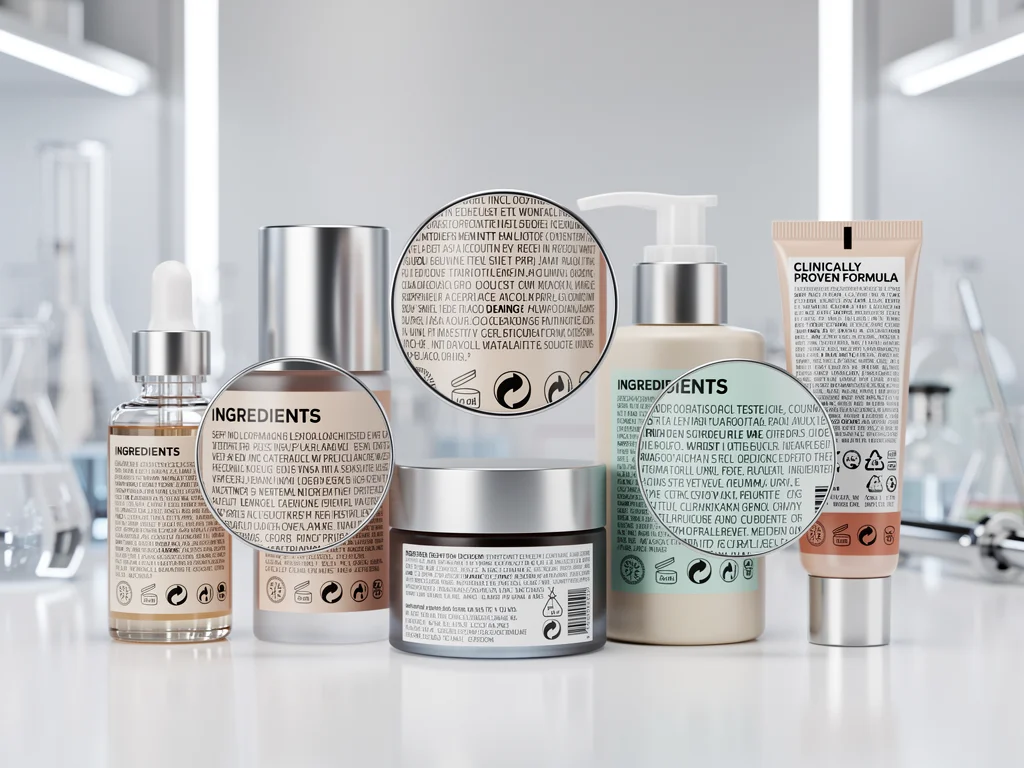
The FDA’s proposed stricter labeling rules for the beauty industry, expected by Q4 2026, will revolutionize how cosmetic products are marketed and sold, ensuring enhanced transparency and safety for consumers.
The beauty industry is on the cusp of a significant transformation as the U.S. Food and Drug Administration (FDA) prepares to roll out stricter labeling rules by Q4 2026. This monumental shift, poised to redefine transparency and safety standards, will impact everything from product formulation to consumer trust. Are you ready for the new era of informed beauty?
Understanding the Need for Enhanced Regulation
For decades, the beauty industry has operated under a regulatory framework that many consider outdated, especially when compared to other consumer goods sectors. This has led to a landscape where consumers often struggle to understand what exactly they are applying to their skin, hair, and nails. The current regulations, largely unchanged since 1938, have allowed for considerable leeway in ingredient disclosure and safety substantiation, creating a gap between consumer expectations and industry practices.
The push for new regulations stems from a growing public demand for transparency and safety. Consumers today are more educated and discerning, actively seeking out products that align with their values and health concerns. The proliferation of complex chemical ingredients, coupled with increasing reports of adverse reactions, has highlighted the urgent need for a more robust oversight mechanism. This regulatory vacuum has also allowed for a wide variance in product quality and safety claims across brands, making it difficult for consumers to make truly informed decisions.
Beyond consumer demand, scientific advancements have also played a crucial role. Our understanding of how various chemicals interact with the human body and the environment has evolved significantly. Ingredients once considered benign are now under scrutiny due to potential long-term health effects or environmental impact. The FDA’s proposed changes aim to bring regulatory practices up to speed with modern scientific knowledge and consumer expectations, fostering a safer and more trustworthy beauty market for everyone.
Key Pillars of the Proposed FDA Labeling Rules
The FDA’s proposed stricter labeling rules are designed to fundamentally alter how beauty products are presented to consumers, focusing on clarity, comprehensiveness, and safety. These changes are not merely cosmetic; they represent a significant overhaul of existing requirements, aiming to empower consumers with unprecedented levels of information.
Mandatory Allergen Disclosure
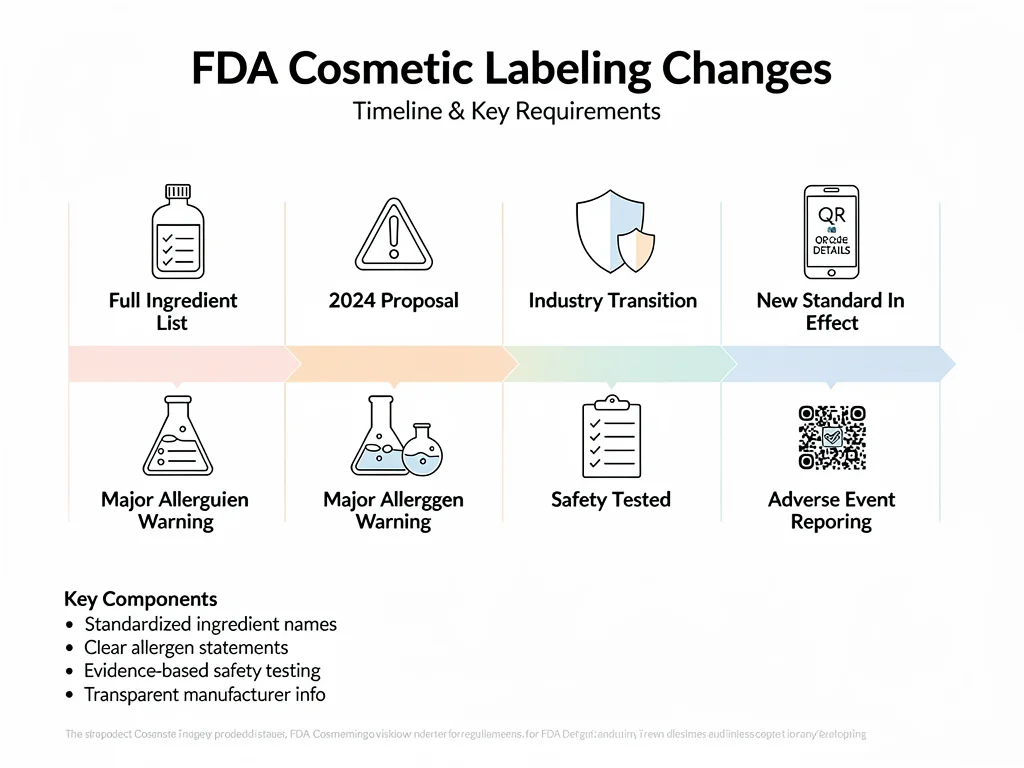
One of the most significant changes involves the mandatory disclosure of common allergens. Currently, many allergenic ingredients can be hidden under broad terms like ‘fragrance,’ leaving consumers with sensitivities vulnerable. The new rules will require specific identification of known allergens, allowing individuals to avoid products that could trigger adverse reactions.
- Clear identification of the top 20 common allergens.
- Requirement for manufacturers to conduct thorough allergen testing.
- Standardized format for allergen warnings on product packaging.
Enhanced Ingredient Transparency
Beyond allergens, the FDA intends to mandate a more detailed and standardized approach to ingredient listing. This means moving beyond just listing ingredients by their chemical names, which can be unintelligible to the average consumer. The new rules aim for a more user-friendly presentation, potentially including common names or brief explanations of an ingredient’s purpose.
This enhanced transparency extends to ingredients that might be present in trace amounts or those derived from complex mixtures. The goal is to eliminate ambiguity and provide a complete picture of a product’s composition. Manufacturers will need to reassess their supply chains and formulation processes to ensure accurate and comprehensive disclosure, a task that requires significant investment and diligence.
Substantiation of Safety Claims
Another critical aspect of the new regulations is the requirement for stronger scientific substantiation of safety claims. Currently, brands can make broad claims about product safety without always providing robust scientific evidence. The FDA proposes that any claims regarding a product’s safety or efficacy must be backed by competent and reliable scientific data.
This will likely lead to an increase in pre-market testing and data collection by manufacturers. It also means that claims like ‘hypoallergenic’ or ‘non-comedogenic’ will need to be supported by rigorous testing, rather than simply being marketing terms. This shift is expected to build greater consumer trust and reduce misleading advertising, ensuring that what a product promises, it can deliver safely.
Impact on Beauty Brands and Manufacturers
The impending FDA regulations will undoubtedly send ripples throughout the beauty industry, necessitating significant adjustments for brands and manufacturers of all sizes. The transition period leading up to Q4 2026 will be a critical time for re-evaluation, investment, and strategic planning.
Operational Overhauls
Brands will need to undertake comprehensive reviews of their entire product portfolios. This includes re-evaluating existing formulations, sourcing new ingredients that meet stricter transparency requirements, and potentially reformulating products to remove or replace ingredients that cannot be adequately disclosed or substantiated for safety. This process will be complex, time-consuming, and potentially costly, especially for companies with extensive product lines.
Supply chain management will also come under intense scrutiny. Manufacturers will need to work closely with their suppliers to ensure that every ingredient, no matter how small, is fully traceable and meets the new disclosure standards. This might involve implementing new quality control protocols and investing in advanced analytical testing equipment to verify ingredient purity and composition.
Marketing and Labeling Redesigns
Beyond formulation, the most visible impact will be on product packaging and marketing materials. Brands will need to redesign labels to accommodate more detailed ingredient lists, allergen warnings, and safety substantiation information. This isn’t just about adding more text; it’s about presenting complex information clearly and concisely, often within limited space, while maintaining brand aesthetics.
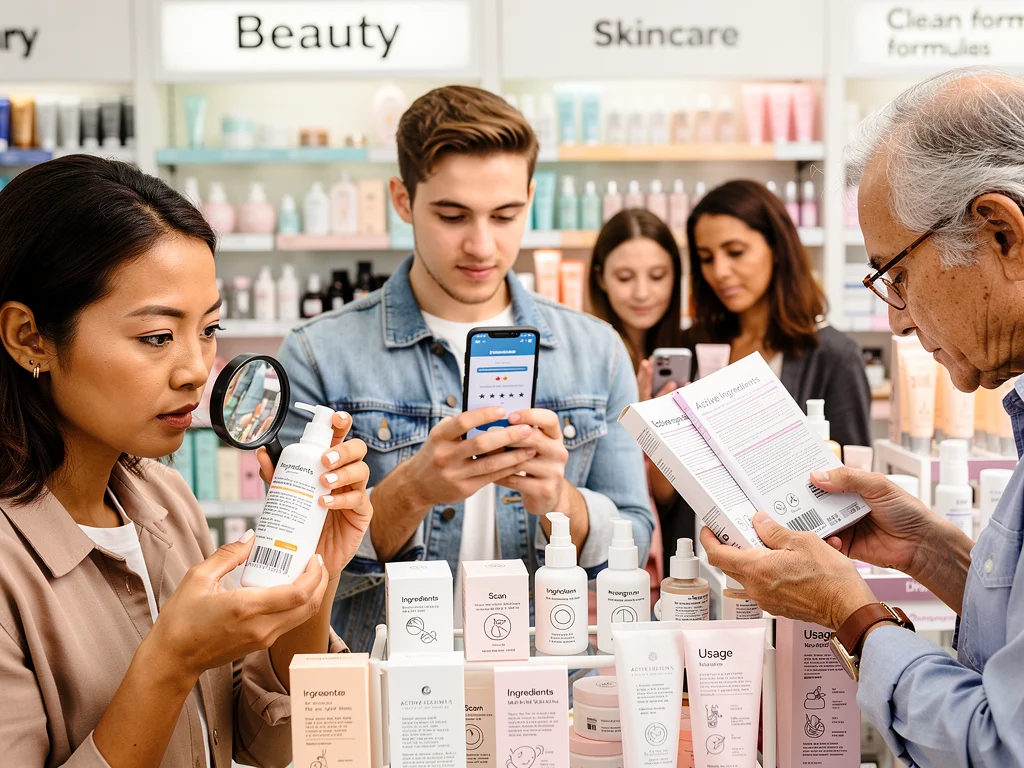
Marketing strategies will also shift. With greater transparency, brands will need to be more authentic and precise in their claims. Vague or unsubstantiated marketing language will likely be phased out in favor of evidence-based communication. This could foster a more honest and competitive market, where product efficacy and safety are paramount.
Increased Compliance Costs
Compliance with the new regulations will inevitably lead to increased costs. These costs will stem from reformulation, enhanced testing, supply chain audits, label redesigns, and potential legal consultations. Smaller brands, in particular, may face significant challenges in absorbing these costs, potentially leading to market consolidation or the need for innovative solutions to remain competitive.
However, these investments are not without their returns. Brands that embrace transparency and prioritize consumer safety are likely to build stronger trust and loyalty, which can translate into long-term market success. The initial hurdles, while substantial, are expected to pave the way for a more reputable and sustainable beauty industry.
The Consumer’s New Power: Informed Choices
For consumers, these proposed FDA regulations represent a monumental leap forward, fundamentally changing their relationship with beauty products. The era of guessing what’s in a product or relying solely on marketing claims is drawing to a close, ushering in a new age of empowered and informed decision-making.
Easier Identification of Problematic Ingredients
With clearer, more detailed labeling, consumers will find it significantly easier to identify ingredients they wish to avoid. Whether due to allergies, sensitivities, ethical concerns, or personal preferences, the new rules will provide the granular information needed to make precise choices. This means less trial and error, fewer adverse reactions, and a more personalized approach to beauty routines.
- Quickly spot common allergens like nuts, soy, or specific fragrances.
- Identify ingredients with potential environmental concerns.
- Easily compare products based on specific ingredient lists.
Building Trust and Confidence
The enhanced transparency and substantiation requirements will naturally lead to increased consumer trust in beauty brands. When a product’s safety claims are backed by scientific evidence and its ingredients are fully disclosed, consumers can feel more confident about their purchases. This trust is invaluable in an industry often plagued by skepticism and misinformation.
This newfound confidence can also lead to greater brand loyalty. Consumers are more likely to stick with brands that demonstrate a clear commitment to their well-being and provide honest, comprehensive information. The FDA’s intervention effectively creates a baseline of trust that benefits both consumers and responsible manufacturers.
Driving Market Innovation and Accountability
Empowered consumers will inevitably drive innovation within the beauty industry. As demand for cleaner, safer, and more transparent products grows, brands will be incentivized to develop formulations that meet these higher standards. This could lead to a surge in new ingredient research, sustainable practices, and genuinely effective products that prioritize consumer health.
Furthermore, the increased scrutiny from an informed consumer base will hold brands more accountable. Misleading claims or opaque practices will be harder to maintain, as consumers will have the tools to scrutinize and question. This dynamic shift places more power in the hands of the buyer, fostering a market where integrity is rewarded.
Challenges and Potential Roadblocks Ahead
While the prospect of stricter FDA beauty labeling rules is largely positive, the path to implementation is not without its challenges. Navigating these potential roadblocks will require careful planning, collaboration, and a willingness to adapt from all stakeholders.
Industry Resistance and Adaptation
One of the primary challenges will be the industry’s capacity and willingness to adapt. For some established brands with complex supply chains and long-standing formulations, the overhaul required might be substantial. There could be resistance due to the significant financial investment and operational changes needed. Smaller businesses might struggle with the resources required to comply, potentially leading to market consolidation if not properly supported.
The sheer volume of products and ingredients means that reformulation and re-labeling will be a massive undertaking. Ensuring that all products meet the new standards by Q4 2026 is an ambitious timeline, and extensions or phased implementations might be necessary for certain categories or businesses.
Enforcement and Oversight
The effectiveness of the new regulations will heavily depend on the FDA’s capacity for enforcement and oversight. A robust system will be needed to monitor compliance, investigate violations, and update guidelines as scientific understanding evolves. This requires adequate funding, staffing, and technological infrastructure within the FDA itself.
Without consistent and rigorous enforcement, even the best-intentioned regulations can fall short of their goals. The FDA will need to clearly communicate expectations, provide guidance to the industry, and establish clear penalties for non-compliance to ensure widespread adoption and adherence.
Global Harmonization and Trade
The beauty industry is global, and differing regulatory standards across countries can create complexities. While the FDA’s new rules aim to set a high bar, discrepancies with international regulations could pose challenges for brands operating in multiple markets. Harmonizing standards, where possible, could ease the burden on manufacturers and ensure consistent product safety worldwide.
Trade implications also need consideration. Products manufactured abroad for the U.S. market will need to meet these new standards, requiring international suppliers to adapt. This could potentially impact import/export dynamics and require diplomatic efforts to ensure smooth transitions without disrupting global supply chains.
Preparing for the Future of Beauty: A Roadmap to Q4 2026
As the Q4 2026 deadline approaches, all stakeholders in the beauty industry—from manufacturers to retailers and consumers—must prepare for the profound changes ahead. This period offers a unique opportunity to reshape the industry into one that is more transparent, safer, and ultimately more trustworthy.
For Brands and Manufacturers
Proactive engagement is key. Brands should begin by conducting a thorough audit of all existing product formulations and ingredient suppliers. Investing in R&D for reformulation and enhanced testing protocols is crucial. Establishing clear communication channels with suppliers to ensure compliance with new transparency requirements will be vital. Furthermore, engaging with regulatory consultants can help navigate the complexities of the new rules and ensure a smooth transition. Early adoption of best practices, even before the official deadline, can position brands as leaders in the new era of beauty.
For Retailers and Distributors
Retailers play a critical role in educating consumers and ensuring that only compliant products reach shelves. They should work closely with their brand partners to understand the changes and prepare for updated product packaging. Training sales associates on the new labeling standards will empower them to answer consumer questions accurately and confidently. Furthermore, retailers might consider updating their own internal policies to align with the FDA’s new transparency and safety ethos, perhaps by highlighting compliant products or providing additional educational resources to their customers.
For Consumers
Consumers should take this opportunity to become more informed about the ingredients in their beauty products. Familiarizing themselves with common allergens and potentially harmful chemicals will empower them to make better choices once the new labels are in effect. Reading labels carefully, asking questions, and seeking out brands committed to transparency will drive the industry forward. Utilizing resources from reputable organizations and staying updated on FDA announcements will also be beneficial in navigating the new beauty landscape.
The journey to Q4 2026 is not merely a regulatory compliance exercise; it is an evolution towards a more responsible and consumer-centric beauty industry. By embracing these changes, all parties can contribute to a future where beauty is synonymous with safety and transparency.
| Key Aspect | Brief Description |
|---|---|
| Mandatory Allergen Disclosure | Specific labeling for common allergens, no longer hidden under ‘fragrance’. |
| Enhanced Ingredient Transparency | More detailed, user-friendly ingredient lists, including common names and purpose. |
| Safety Claim Substantiation | All safety and efficacy claims must be backed by competent scientific data. |
| Impact on Brands | Requires reformulation, supply chain overhaul, label redesigns, and increased compliance costs. |
Frequently Asked Questions About FDA Beauty Regulations
The main goal is to enhance consumer safety and transparency. By requiring more detailed ingredient disclosure, mandatory allergen warnings, and scientific substantiation for safety claims, the FDA aims to empower consumers to make more informed choices and reduce adverse reactions to cosmetic products.
The FDA proposes that these stricter labeling rules for the beauty industry will be fully implemented by the fourth quarter of 2026 (Q4 2026). This timeline provides brands and manufacturers with a period to adjust their formulations, supply chains, and packaging to meet the new requirements.
Small beauty businesses may face significant challenges due to increased costs for reformulation, testing, and label redesigns. They will need to invest in new processes and potentially seek external expertise to ensure compliance, which could be a substantial financial and operational burden.
No, the new rules aim to eliminate the mystery around ‘fragrance’ ingredients, especially concerning allergens. While proprietary blends might still exist, specific allergenic components within those blends will likely require individual disclosure, providing much-needed clarity for consumers with sensitivities.
Consumers can prepare by becoming more aware of ingredients they wish to avoid and familiarizing themselves with common terms. They should commit to reading labels carefully once the new rules are in effect and support brands that clearly demonstrate transparency and a commitment to safety.
Conclusion
The upcoming FDA stricter labeling rules for the beauty industry, slated for Q4 2026, represent a pivotal moment for consumer safety and industry transparency. This comprehensive overhaul will empower consumers with critical information, foster greater trust, and drive innovation towards safer, more effective products. While challenges for brands are undeniable, the long-term benefits of a more accountable and transparent beauty market promise a healthier future for all.
Related Posts: