Utilizing the $315 Monthly Pre-Tax Commuter Benefit for Transit and Parking in 2026
Advertisements
The 2026 pre-tax commuter benefit allows eligible U.S. employees to use up to $340 per month for qualified transit and commuter vanpool expenses, plus a separate $340 monthly limit for eligible parking. Learn how these benefits work, which expenses qualify, how to enroll, and how pre-tax contributions may reduce commuting costs.
The 2026 pre-tax commuter benefit gives eligible employees an opportunity to pay certain transportation expenses with money excluded from taxable wages.
For 2026, the IRS established separate monthly exclusion limits of $340 for qualified transit and commuter transportation and $340 for qualified parking.
Understanding these rules can help U.S. workers estimate potential tax savings, choose appropriate contributions, and avoid common mistakes when using employer-sponsored commuter benefits.
Understanding the 2026 Pre-Tax Commuter Benefit Increase
Qualified transportation fringe benefits are employer-provided arrangements that may allow employees to pay certain commuting expenses with pre-tax income.
The IRS adjusts the maximum exclusion amounts periodically to reflect applicable cost-of-living changes and federal tax rules.
For 2026, the pre-tax commuter benefit limit increased to $340 per month for each of two separate categories, replacing the $325 limits that applied in 2025.
What Changed in the 2026 IRS Commuter Limits?
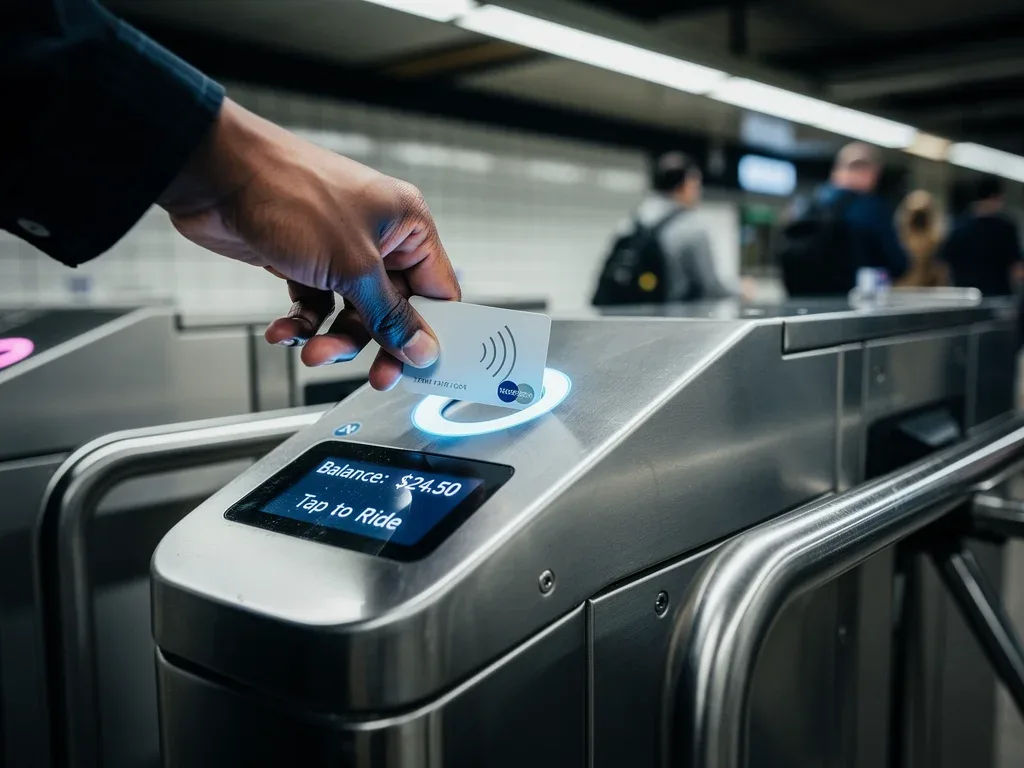
The most important change is the increase in the maximum amount that may be excluded from wages for qualified transportation benefits.
The 2026 limit is $340 per month for the combined value of eligible transit passes and transportation in qualified commuter highway vehicles.
A separate $340 monthly exclusion applies to qualified parking, potentially allowing eligible employees to receive tax-favored benefits in both categories.
What Qualifies for the $340 Benefit?
Eligible transit expenses generally include qualifying passes or fare payments for transportation systems such as buses, subways, commuter trains, and ferries.
Transportation provided through a qualifying commuter highway vehicle arrangement may also receive favorable tax treatment when federal requirements are satisfied.
However, ordinary rideshare trips, personal taxi fares, gasoline, tolls, and routine vehicle maintenance do not automatically qualify for the federal 2026 pre-tax commuter benefit.
Public Transit: Qualifying bus, subway, rail, and ferry passes or fares.
Commuter Vanpools: Transportation meeting the IRS definition of a qualified commuter highway vehicle.
Qualified Parking: Eligible parking at or near the workplace or a qualifying commuting connection.
Understanding Qualified Parking
Qualified parking generally includes parking provided at or near the employee's workplace or another eligible commuting location.
For example, parking at a station used to continue the commute by qualifying transit may meet federal requirements.
Parking at or near an employee's residence is not considered qualified parking under the federal transportation fringe benefit rules.
Eligibility and Enrollment for the Pre-Tax Benefit
Employees generally access qualified transportation benefits through an employer that offers an eligible commuter benefits arrangement.
Availability can depend on company policy and applicable state or local requirements, since some jurisdictions impose employer commuter benefit obligations.
Workers interested in the 2026 pre-tax commuter benefit should begin by reviewing their employer's benefits information and payroll enrollment procedures.
Who Can Participate in a Commuter Benefits Program?
Qualifying employees may be able to participate if their employer makes an eligible transportation fringe benefit available.
Participation requirements and available options can differ depending on the employer's program and relevant employment rules.
Independent contractors and self-employed individuals generally do not qualify for the same employee transportation fringe exclusions simply by paying their own commuting expenses.
How to Enroll Through Your Employer
Enrollment commonly begins through a human resources portal, payroll system, or benefits administrator.
Employees typically select an amount based on expected eligible transit or parking expenses, subject to the monthly limits and program conditions.
The elected amount may then be deducted from eligible compensation before applicable taxes and made available through a transit card, payment arrangement, or permitted reimbursement process.
Employer Responsibilities and Administration
Employers offering commuter benefits must administer the arrangement in accordance with federal tax requirements.
This includes applying the correct monthly limits, maintaining appropriate records, and ensuring that qualifying expenses are treated properly for payroll purposes.
Clear employee communication is particularly important when annual IRS adjustments change the maximum available pre-tax commuter benefit.
Payroll Updates: Apply the $340 monthly limits for 2026.
Employee Communication: Explain enrollment procedures and eligible expenses.
Expense Verification: Follow applicable documentation and reimbursement requirements.
Compliance: Coordinate federal rules with relevant state and local requirements.
Maximizing Savings With the 2026 Commuter Benefit
The primary financial advantage of pre-tax commuter benefits is the possibility of reducing wages subject to certain federal taxes.
Eligible salary reductions can generally reduce federal income tax withholding and employment taxes, including Social Security and Medicare taxes.
However, the actual savings from the 2026 pre-tax commuter benefit depend on the employee's circumstances, applicable taxes, and amount spent on qualified transportation.
How Pre-Tax Contributions Reduce Taxable Wages
When an employee elects an eligible pre-tax commuter contribution, the selected amount is generally excluded from applicable taxable wages.
This means the employee uses money that would otherwise have been subject to certain payroll and income taxes to pay for qualified commuting expenses.
The arrangement does not provide a matching government payment or guarantee that every participant will save the same percentage.
A Hypothetical Monthly Tax Savings Example
Suppose an employee regularly spends $300 per month on qualified public transportation and can contribute that amount through an eligible employer program.
If the employee's combined applicable tax savings rate is hypothetically 25%, the estimated monthly tax benefit would be $75.
Over twelve months, that would equal approximately $900 in tax savings, assuming consistent participation and the same tax circumstances throughout the year.
Using Both Transit and Parking Benefits
Employees who use public transportation and also pay for qualified parking may be able to receive benefits in both categories.
For example, an employee could have $200 in eligible transit expenses and $150 in eligible parking expenses during the same month.
Because the federal limits are separate, these amounts may both qualify for favorable treatment rather than being restricted to one combined $340 allowance.
Strategic Planning for Public Transit Users
Employees who regularly take buses, subways, commuter trains, or other eligible transportation can begin by reviewing their typical monthly costs.
Comparing individual fares with available transit passes may help identify the most economical arrangement for their commuting frequency.
Careful planning allows workers to choose a 2026 pre-tax commuter benefit contribution that reflects actual transportation needs.
Estimating Your Monthly Transit Expenses
Start by calculating the number of days you expect to commute during an average month.
Multiply the number of eligible trips by the applicable fare, or compare that amount with the cost of a monthly transit pass.
Employees with hybrid work schedules should consider how frequently they actually travel to their workplace before selecting a fixed contribution.
Adjusting Contributions for Hybrid Work
Hybrid work arrangements can produce considerable variation in monthly commuting expenses.
An employee who visits the office twice per week may spend substantially less than someone commuting five days per week.
Reviewing contributions periodically can help prevent an unnecessary accumulation of commuter benefit funds and improve overall budgeting.
Using Park-and-Ride Transportation
Some commuters drive to a transit station, park their vehicle, and continue to work using a train or bus.
If the parking location and transit service meet federal requirements, each expense may qualify under its respective benefit category.
This arrangement illustrates why the separate transit and parking limits can be useful when planning the 2026 pre-tax commuter benefit.
How Qualified Parking Benefits Work
Parking expenses can represent a substantial part of commuting costs, especially for employees working in locations with limited free parking.
The federal qualified parking exclusion may help eligible workers pay for certain parking arrangements using pre-tax compensation.
However, employees must confirm that the expense satisfies IRS requirements and that their employer's plan supports the intended payment method.
Parking Near Your Workplace
Qualified parking can include eligible parking at or near the business premises where an employee works.
The benefit may be provided through employer-controlled parking, qualifying reimbursement, or other permitted arrangements.
Parking charges above the applicable monthly exclusion may remain the employee's responsibility or receive different tax treatment.
Parking Near Public Transportation
Parking at an eligible location used to connect with public transit can qualify under the federal rules.
For example, an employee may use a paid station parking facility before continuing the commute by train.
The parking expense and the transit fare must be evaluated separately under the applicable qualification requirements.
Impact on Commuters and Urban Planning
Commuter benefits can influence the relative cost of transportation choices by making certain eligible expenses more tax-efficient.
Lower after-tax commuting costs may make public transportation more attractive to some employees, depending on their location and available services.
However, the 2026 pre-tax commuter benefit also supports qualified parking, so it should not be interpreted as a program exclusively designed to reduce driving.
Encouraging Sustainable Commuting Choices
Public transportation and qualified vanpool arrangements may help reduce the number of individual vehicles used for certain trips.
Environmental benefits depend on factors such as ridership, vehicle occupancy, energy sources, and the transportation alternatives available.
Employers can support informed decisions by explaining eligible commuting options without suggesting that every benefit automatically produces a measurable environmental improvement.
Transit Accessibility: Help employees understand available public transportation options.
Commuter Vanpools: Explain the requirements for qualifying shared transportation.
Employee Awareness: Provide guidance on how qualified transportation benefits work.
Supporting Employees With Different Commutes
Commuting arrangements vary significantly between urban, suburban, and rural communities.
Some workers rely on extensive transit networks, while others have limited public transportation options and must use personal vehicles.
Understanding these differences can help employers communicate benefit options realistically and identify which workers may find them useful.
Addressing Common Questions and Misconceptions
Qualified transportation benefits have specific federal eligibility rules that distinguish them from ordinary commuting reimbursements.
Expenses such as gasoline, personal vehicle repairs, tolls, and most individual taxi or rideshare trips are not qualified transportation fringes merely because they relate to travel to work.
Employees using the 2026 pre-tax commuter benefit should review the permitted expense categories before electing contributions or requesting reimbursement.
Differentiating Transit and Parking Benefits
Transit and qualified commuter highway vehicle transportation share one monthly federal exclusion limit.
Qualified parking has a separate exclusion limit that can apply in addition to eligible transportation benefits.
This distinction means employees may be able to exclude up to $340 for transit and qualifying vanpool transportation combined, plus up to $340 for parking in the same month.
Can Unused Commuter Funds Carry Over?
Some employer commuter benefit arrangements allow unused pre-tax balances to remain available for eligible expenses in future months.
However, the treatment of unused funds depends on the employer's arrangement, administrative procedures, employment status, and applicable tax rules.
Employees should not assume that unused amounts can always be refunded in cash or transferred freely between transit and parking accounts.
Why Reimbursement Rules Matter
Qualified transportation expenses may be provided through transit passes, eligible cards, direct employer arrangements, or permitted reimbursement methods.
Cash reimbursements for transit passes are subject to special federal conditions, including restrictions when suitable passes or vouchers are readily available.
Following the plan's procedures helps ensure that the benefit receives the intended tax treatment.
How Commuter Benefits Compare With Other Employee Benefits
Employer-sponsored benefits may include healthcare accounts, retirement plans, transportation programs, and other arrangements with different tax rules.
Qualified transportation benefits are specifically intended for eligible commuting expenses and cannot be used interchangeably with other employee benefit accounts.
Workers reviewing their overall compensation may benefit from examining the 2026 pre-tax commuter benefit alongside other workplace savings opportunities.
Commuter Benefits vs. Healthcare Accounts
Healthcare savings arrangements generally address eligible medical expenses rather than transportation costs associated with everyday commuting.
Health Savings Accounts and flexible spending arrangements have separate qualification requirements, contribution limits, and distribution rules.
For a broader understanding of workplace tax advantages, employees can explore additional tax-advantaged healthcare savings options.
Commuter Benefits vs. Retirement Contributions
Retirement savings plans generally focus on long-term financial goals, while commuter benefits address certain current transportation expenses.
Although both arrangements may offer tax advantages, they operate under different federal provisions and serve different purposes.
Reviewing a 2026 retirement benefits checklist alongside commuting costs may help employees make more informed benefits decisions.
Future Outlook and Potential Adjustments
The IRS may adjust qualified transportation fringe benefit limits in future tax years according to the applicable inflation adjustment rules.
However, the exact limit for a future year should not be assumed before the relevant federal guidance is published.
Employees and employers can stay informed by monitoring official IRS publications and broader updates about federal employee benefits.
Advocacy for Enhanced Commuter Support
Transportation and employee benefit policy discussions may include proposals concerning eligible expenses, employer participation, and commuting affordability.
Potential legislative changes could affect how transportation benefits operate in future years, but proposed changes do not automatically become effective law.
Employees should rely on currently applicable IRS rules when determining their qualified commuter benefit amounts.
Federal Updates: Monitor future IRS inflation adjustments.
Local Requirements: Review state or city commuter benefit regulations.
Employer Changes: Watch for enrollment notices and plan amendments.
Preparing for Future Enrollment Periods
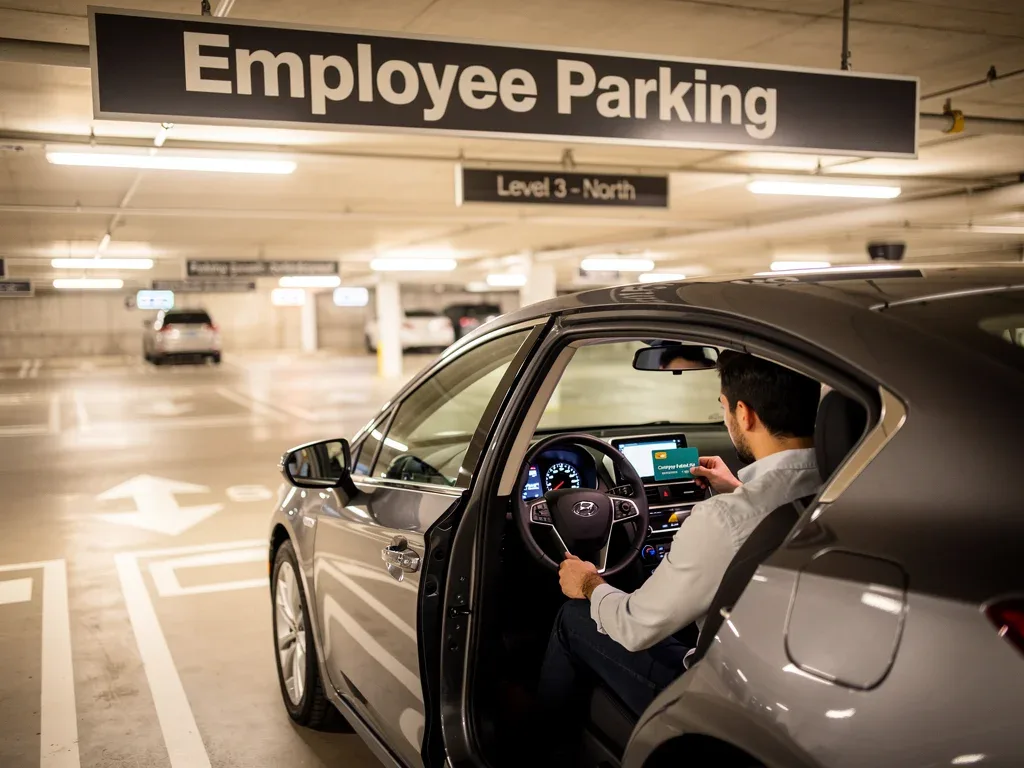
Some employers permit commuter benefit elections to be adjusted periodically through a benefits administrator.
Others establish specific procedures for requesting changes or updating monthly deductions.
Reviewing upcoming transportation costs before an enrollment deadline can help employees select more appropriate contribution amounts.
2026 Pre-Tax Commuter Benefit: Key Points
The federal commuter benefit rules provide separate tax exclusion limits for qualifying transportation and parking expenses.
Eligibility depends on the type of expense, the employer's arrangement, and applicable federal requirements.
The following table summarizes the main considerations for employees interested in the 2026 pre-tax commuter benefit.
Key Point | Brief Description |
|---|---|
Benefit Increase | The 2026 federal exclusion is $340 per month for combined qualified transit and commuter vanpool transportation, plus a separate $340 limit for qualified parking. |
Eligibility | Generally available through qualifying employer arrangements, subject to applicable employment and local requirements. |
Qualified Expenses | Includes eligible transit passes, qualifying commuter highway vehicle transportation, and qualified parking. |
Tax Savings | Eligible benefits may reduce federal taxable wages and applicable payroll taxes. Actual savings depend on individual circumstances. |
Frequently Asked Questions About the 2026 Commuter Benefit
What is the new monthly limit for the commuter benefit in 2026?▼
The IRS confirmed a $340 monthly exclusion for qualifying transit passes and commuter highway vehicle transportation combined, plus a separate $340 monthly exclusion for qualified parking. These are two distinct limits, not one combined allowance. The previous $315 figure does not represent the federal limit for 2026.
Who is eligible to utilize this $315 monthly pre-tax commuter benefit?▼
The amount referenced in this question is outdated. In 2026, eligible employees may access up to $340 per month for qualifying transportation and another $340 for qualifying parking through appropriate employer arrangements. Program availability depends on employer participation and applicable legal requirements. Review your workplace benefits package for enrollment information.
What types of expenses does the $315 commuter benefit cover?▼
The correct 2026 limit is $340 per month in each qualifying category. Eligible expenses can include transit passes, transportation in a qualified commuter highway vehicle, and qualifying parking. Gasoline, tolls, personal vehicle maintenance, and ordinary individual taxi or rideshare expenses generally do not qualify simply because they are used for commuting.
How does utilizing the $315 pre-tax commuter benefit save money?▼
For 2026, eligible pre-tax contributions of up to $340 per month for each separate category may reduce wages subject to federal income and employment taxes. The resulting savings depend on the employee's contribution amount and applicable tax circumstances. State and local tax treatment may differ, so employees should avoid assuming an identical reduction across every tax.
Can unused commuter benefit funds roll over to the next month or year?▼
Some employer arrangements allow unused commuter benefit balances to remain available for eligible expenses in later months. However, the specific rules depend on the program, and unused pre-tax funds generally cannot simply be withdrawn as unrestricted cash. Employees should verify rollover procedures and the treatment of balances after leaving employment with their benefits administrator.
Looking Ahead: Making the Most of Commuter Benefits
The 2026 pre-tax commuter benefit provides eligible U.S. employees with an opportunity to reduce the after-tax cost of qualifying transportation and parking expenses.
With separate monthly limits of $340 for eligible transit and commuter vanpool transportation and $340 for qualified parking, participants should review their actual commuting costs before selecting contribution amounts.
Understanding enrollment requirements, permitted expenses, and applicable tax rules can help workers use these benefits effectively. For additional guidance, explore 2026 employee benefits enrollment strategies and consider how commuter savings fit into your broader financial planning.