COBRA Coverage: Is 102% Premium Cost Worth It? Navigating Your 60-Day Window
Advertisements
Understanding COBRA coverage cost is essential when losing employer-sponsored health insurance. Federal continuation coverage can preserve your existing health plan, but the monthly premium may rise substantially when you become responsible for the amount previously paid by your employer.
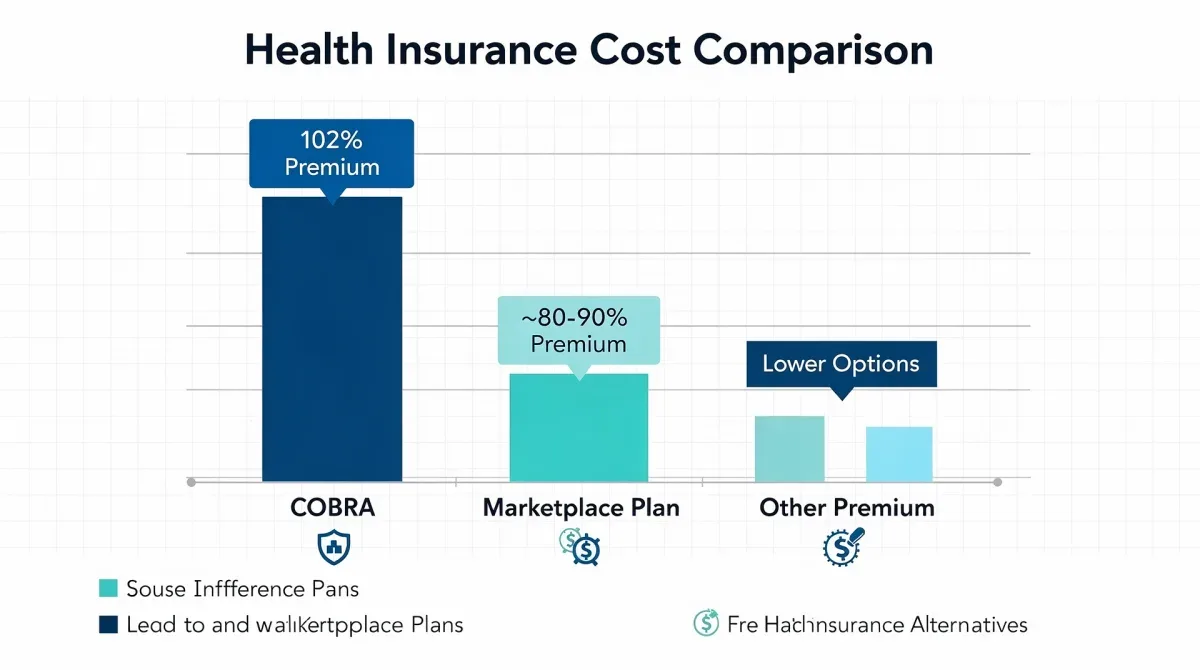
Under federal COBRA rules, eligible beneficiaries can generally be charged up to 102% of the total applicable premium. This includes the employee and employer portions of the plan's cost, plus an administrative charge of up to 2%.
The decision also involves an important enrollment deadline. Eligible individuals generally receive at least 60 days to elect coverage, followed by a separate period for paying the initial premium. Comparing these rules with Marketplace alternatives can help prevent expensive mistakes.
Understanding COBRA's Core Mechanism and Costs
The Consolidated Omnibus Budget Reconciliation Act, commonly called COBRA, allows eligible workers and family members to temporarily continue certain employer-sponsored group health benefits after qualifying events.
Federal COBRA generally applies to group health plans sponsored by private-sector employers with at least 20 employees, along with many state and local government plans. Smaller employers may be subject to separate state continuation laws.
The primary benefit is continuity. However, COBRA coverage cost can be substantially higher than the amount previously deducted from an employee's paycheck because employer contributions typically end after employment.
What is the 102% Premium Cost?
The standard maximum COBRA premium is generally 102% of the applicable group health plan cost. This amount reflects the full premium, including portions previously paid by both employer and employee, plus a possible administrative fee.
For example, suppose a health plan costs $800 monthly. If the employer previously contributed $600 and the employee paid $200, the COBRA premium could reach $816 per month, assuming the maximum 2% administrative charge.
This example demonstrates why COBRA coverage cost deserves careful comparison. Employers may voluntarily subsidize continuation coverage, while certain disability extensions can permit charges of up to 150% during the additional coverage period.
Qualifying Events and Notification
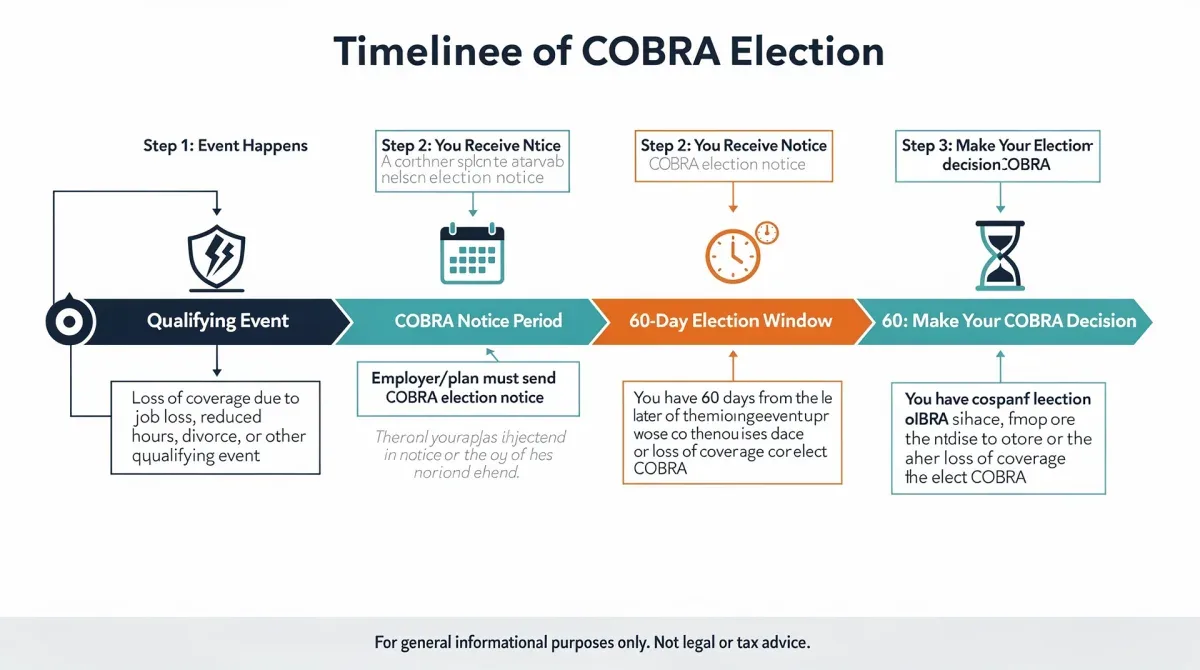
COBRA eligibility may arise after employment termination, other than termination for gross misconduct, or a reduction in working hours that causes loss of group health coverage.
Additional qualifying events can affect spouses and dependent children, including divorce, legal separation, death of the covered employee, or a dependent child's loss of eligibility under the plan.
Employers and plan administrators must follow applicable notification procedures. The election notice explains available coverage, deadlines, premiums, and the steps necessary to continue benefits.
Navigating Your 60-Day Election Window
The COBRA election period must last at least 60 days, beginning on the later of the date the qualifying individual would lose coverage or the date the election notice is provided.
This means the deadline does not necessarily begin on the employee's final working day. It depends on when group coverage would otherwise end and when the required notice is issued.
Understanding this timeline is essential because COBRA coverage cost may include retroactive premiums if you elect continuation coverage after the original group coverage has ended.
Making an Informed Decision
COBRA can be attractive when you want to remain with existing doctors, maintain an established treatment plan, or avoid changes to prescription coverage during a transition.
It may also help when substantial medical expenses have already counted toward your current plan's deductible or out-of-pocket maximum, although the applicable plan rules and coverage year matter.
Before deciding, compare COBRA coverage cost with alternative premiums, expected medical expenses, provider networks, and prescription benefits rather than relying exclusively on the monthly price.
The Importance of Timely Action
Missing the COBRA election deadline generally means losing the opportunity to continue coverage under that election right. However, the rules also provide a separate payment period after a timely election.
Qualified beneficiaries must receive at least 45 days after electing COBRA to make the initial payment. That payment can include premiums owed for coverage dating back to the original loss of group coverage.
Subsequent monthly payments generally receive a grace period of at least 30 days. Keeping track of these dates is important because failing to pay within the required period can result in coverage termination.
Comparing COBRA with Health Insurance Marketplace Plans
People losing employer-sponsored insurance may qualify for a Special Enrollment Period through the Affordable Care Act Health Insurance Marketplace.
For the federal Marketplace, loss of qualifying job-based coverage generally creates a 60-day period after that loss to select a plan, with opportunities to arrange coverage before the existing plan ends.
Because Marketplace enrollment timing differs from COBRA election rules, comparing COBRA coverage cost with available Marketplace plans should begin before either deadline expires.
Marketplace Subsidies and Cost Savings
Eligible Marketplace applicants may qualify for premium tax credits that reduce their monthly health insurance premiums. Eligibility depends on applicable federal rules, household circumstances, and projected income.
Some qualifying applicants may also receive cost-sharing reductions when enrolling in an eligible Silver plan, potentially lowering deductibles and other covered out-of-pocket expenses.
For many households, these features can make Marketplace insurance less expensive than COBRA. However, the actual comparison depends on current eligibility, plan availability, and the total expected cost of care.
Network and Coverage Differences
COBRA generally maintains the same coverage available under the employer's group health plan, subject to plan changes that also apply to similarly situated active participants.
Marketplace plans may offer different physician networks, prescription formularies, deductibles, and out-of-pocket limits. A lower premium is not necessarily the lowest-cost choice for someone receiving frequent treatment.
When comparing COBRA coverage cost with Marketplace options, review whether your preferred doctors and medications are covered and calculate both premiums and expected out-of-pocket expenses.
Short-Term Health Insurance and Other Alternatives
COBRA and Marketplace plans are not the only possible options after job-based insurance ends. Depending on eligibility, coverage may also be available through a spouse's employer, Medicaid, CHIP, or another qualifying group plan.
Short-term health insurance products may be marketed as less expensive alternatives, but they can exclude important benefits and operate under rules that differ significantly from ACA-compliant major medical coverage.
Evaluating these alternatives alongside COBRA coverage cost requires attention to eligibility, coverage exclusions, state rules, and the potential financial consequences of an unexpected medical event.
Considering Short-Term Plans
Short-term health insurance may have lower advertised premiums, but policies can provide limited protection against significant healthcare expenses.
Unlike ACA-compliant Marketplace plans, short-term policies are not generally required to cover the full set of essential health benefits and may exclude coverage associated with pre-existing conditions.
These limitations make short-term products unsuitable for some households, especially those needing ongoing medications or specialist care. Availability and permitted durations also depend on applicable regulations and state law.
Other Niche Options
A spouse's employer-sponsored health plan may provide an alternative after loss of other group coverage, often with a separate special enrollment right that requires prompt action.
Medicaid and the Children's Health Insurance Program may also offer coverage for eligible individuals and families. Eligibility and benefits vary according to household circumstances and state rules.
Before committing to a high COBRA coverage cost, compare every realistic option, including the timing of coverage, expected expenses, and whether current healthcare providers participate.
Financial Implications of COBRA and Alternatives
The true cost of health insurance includes monthly premiums as well as deductibles, copayments, coinsurance, covered services, and annual out-of-pocket limits.
For people expecting frequent healthcare use, a higher-premium plan with favorable cost-sharing arrangements may cost less overall than a lower-premium option with a substantially higher deductible.
That is why evaluating COBRA coverage cost requires considering the complete financial picture rather than simply comparing the amount due each month.
Budgeting for Healthcare Costs
Start by listing the premium for each available option, then estimate anticipated medical appointments, prescriptions, laboratory tests, and other covered services.
Next, consider your financial reserves and the possibility of unexpected expenses. If employment income has ended, monthly premium affordability may become especially important.
A realistic budget can clarify whether COBRA coverage cost is manageable for the expected coverage period or whether another qualifying plan may provide a more sustainable alternative.
Long-Term Financial Planning
COBRA is temporary continuation coverage rather than a permanent health insurance arrangement. For employment termination or reduced working hours, the standard maximum continuation period is generally 18 months.
Because coverage may end before a new employer-sponsored plan becomes available, beneficiaries should plan for the next insurance transition rather than waiting until the final month.
Understanding the connection between insurance premiums, emergency savings, and other financial commitments helps households choose coverage without overlooking longer-term stability.
The Role of the Employer and Plan Administrator
Employers and group health plan administrators have specific responsibilities relating to COBRA notifications, elections, benefits administration, and premium collection.
The applicable notice procedures depend on the type of qualifying event and the division of responsibilities between the employer and the plan administrator.
Anyone uncertain about eligibility or COBRA coverage cost should review the plan's election notice and request clarification about premiums, covered family members, deadlines, and payment procedures.
Ensuring Accurate Information
Review your COBRA election notice carefully, including the names of eligible beneficiaries, the coverage options offered, premium amounts, and applicable deadlines.
Maintain copies of notices, election forms, correspondence, and payment confirmations. These records can help resolve disagreements about whether an election or payment was received on time.
If information appears inconsistent, contact the plan administrator promptly and request written clarification before making decisions that could affect continuing coverage.
Employer Responsibilities Post-Election
After coverage is elected, the group health plan must administer COBRA according to applicable continuation coverage rules.
COBRA participants generally receive the same coverage available to similarly situated individuals who have not experienced a qualifying event, including applicable changes to the group health plan.
Administrators must also follow appropriate procedures concerning payments and notices when continuation coverage ends early. Beneficiaries remain responsible for meeting payment deadlines even when monthly bills are not sent.
Legal Protections and Your Rights Under COBRA
Federal COBRA establishes continuation coverage rights for eligible workers, spouses, and dependent children who would otherwise lose qualifying group health benefits.
The U.S. Department of Labor's COBRA continuation coverage protections explain election rights, premium payment rules, qualifying events, and available coverage extensions.
Understanding these provisions can help beneficiaries address concerns about notice delivery, eligibility, or COBRA coverage cost through the appropriate plan administrator or regulatory authority.
Key COBRA Rights
Qualified beneficiaries generally have an independent right to decide whether to elect COBRA, meaning eligible family members may make different coverage choices.
They must receive the required election opportunity and applicable payment periods. Coverage generally begins from the date coverage otherwise would have been lost when properly elected and paid for under the continuation rules.
These protections can help prevent unnecessary gaps in coverage, although rights may be affected by missed deadlines, nonpayment, or other circumstances specified in federal law.
Extending COBRA Coverage
The standard 18-month continuation period may be extended under specific circumstances. A qualifying disability determination can permit an extension of up to 11 additional months, for a total of 29 months.
Some second qualifying events can extend eligible family members' coverage to a maximum of 36 months, provided the event and notification requirements are satisfied.
Extensions can affect COBRA coverage cost, particularly because certain disability extension months may be subject to premiums reaching 150% of the applicable plan cost.
Making the Final Decision: Weighing Your Options
The choice between COBRA, Marketplace coverage, and other eligible plans depends on the combination of healthcare needs, affordability, and timing.
For someone receiving ongoing treatment, maintaining familiar providers and existing coverage terms may justify a higher premium. Another household may find a more suitable balance of costs and benefits through Marketplace insurance.
Because COBRA coverage cost can be substantial, compare available options before the applicable enrollment deadlines and confirm when replacement coverage would begin.
Personal Health and Financial Assessment
Begin by identifying expected healthcare needs, including ongoing treatments, prescription medications, specialist visits, and any scheduled medical procedures.
Next, calculate the anticipated total cost of each available plan. Include monthly premiums, cost-sharing expenses, and whether existing deductible payments carry forward under the applicable coverage.
When assessing COBRA coverage cost, remember that a Marketplace plan may use different provider networks and cost-sharing rules, so a direct premium comparison does not reveal every relevant financial difference.
Seeking Expert Advice
Health insurance navigators, licensed brokers, benefits administrators, and qualified advisers can help clarify eligibility and compare the features of available health plans.
Assistance is particularly useful when a household has multiple eligible beneficiaries, ongoing medical treatment, or questions about the interaction between COBRA and Marketplace enrollment.
Regardless of which option is selected, confirm the coverage effective date and required payment schedule before allowing an existing policy to end.
Key Consideration | Brief Description |
|---|---|
COBRA Premium | Generally up to 102% of the applicable group plan cost, with special rules for certain extensions. |
Election Window | At least 60 days from the later of the election notice or loss of group coverage. |
Marketplace Plans | Alternative coverage with separate enrollment deadlines and possible income-based financial assistance. |
Health Needs | Compare providers, prescriptions, deductibles, and expected medical expenses. |
Frequently Asked Questions About COBRA Coverage
What is the main advantage of COBRA coverage?▼
COBRA generally allows eligible individuals to continue the employer-sponsored health plan they previously had. This can help preserve relationships with healthcare providers and maintain familiar coverage terms, which may be especially important during ongoing treatment. The continuation remains subject to applicable plan changes and premium payment requirements.
Why is the 102% premium cost a concern for COBRA?▼
The standard maximum COBRA coverage cost can include the entire employer and employee premium, plus a 2% administrative fee. Because employers often subsidize active employees' insurance, the amount paid directly by the former employee can rise substantially. Some employers voluntarily provide temporary premium assistance, so the actual amount should be confirmed with the administrator.
What happens if I miss my 60-day COBRA election window?▼
Failing to elect COBRA within the applicable election period generally means losing the right to continue coverage under that qualifying event. Other insurance options may still be available, but their enrollment deadlines are different. In particular, the Marketplace Special Enrollment Period after losing job-based insurance should not be assumed to extend until the end of the COBRA election period.
Are there cheaper alternatives to COBRA coverage?▼
Marketplace plans may be less expensive, especially for people eligible for premium tax credits or cost-sharing reductions. Coverage through a spouse's employer, Medicaid, or CHIP may also be available depending on individual circumstances. Short-term plans can have important coverage gaps and should not be considered equivalent to ACA-compliant major medical insurance.
Can I retroactively elect COBRA coverage?▼
Yes. A qualified beneficiary who elects continuation coverage within the required period can generally have coverage restored to the date the previous group coverage was lost, provided the necessary premiums are paid. The initial payment is due no earlier than 45 days after the election, and it may include premiums for the retroactive period.
What this means
Understanding COBRA coverage cost helps workers and families determine whether the continuity of their existing health insurance is worth the potentially higher monthly premium.
The 60-day election period, initial payment deadline, and Marketplace enrollment rules all deserve careful attention because missing one deadline may eliminate important coverage options.
By comparing total costs, provider networks, anticipated treatment needs, and available financial assistance, individuals can make a more informed decision about maintaining health insurance during an employment or family transition.