Green Energy Tax Credits: What You Need to Know Before July 2026
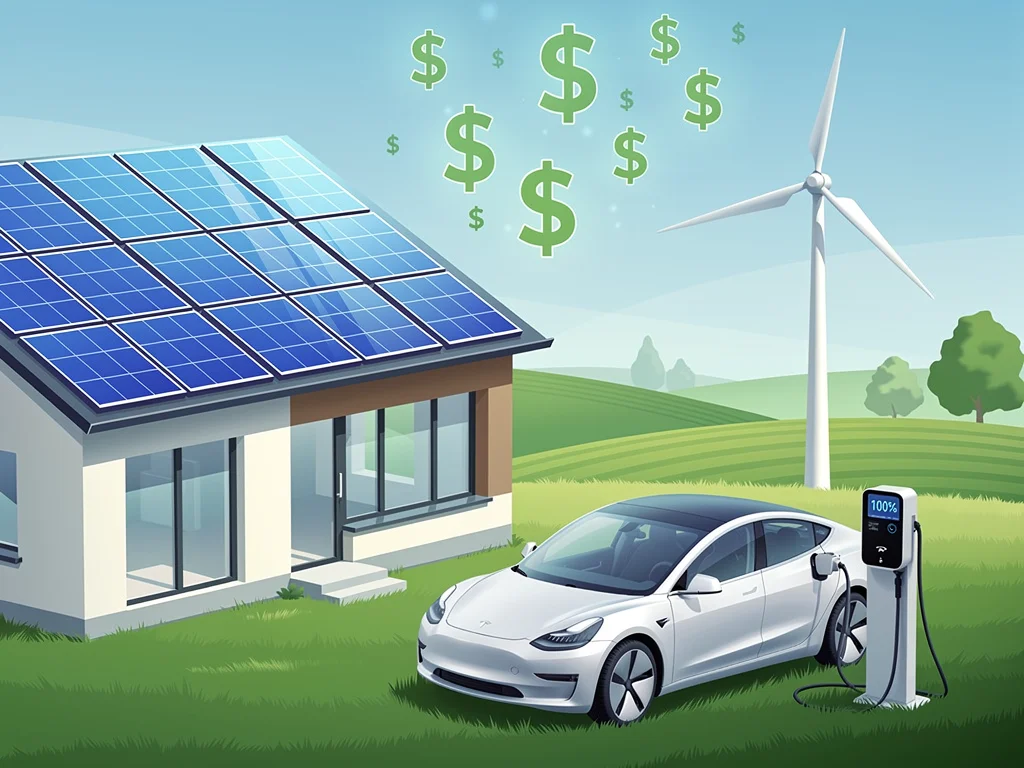
The U.S. government has introduced significant green energy tax credits, aiming to incentivize sustainable practices for homeowners and businesses, offering substantial financial benefits for adopting renewable energy solutions with key deadlines approaching by July 2026.
The landscape of energy consumption and sustainability is rapidly evolving, and the U.S. government is actively promoting this shift through financial incentives. Understanding the new green energy tax credits is crucial for homeowners and businesses alike, especially with key deadlines looming before July 2026. These credits represent a significant opportunity to invest in a greener future while also realizing substantial financial savings.
Understanding the New Green Energy Tax Credits: An Overview
The recent governmental push for renewable energy sources and energy efficiency has culminated in a series of comprehensive tax credits designed to accelerate adoption across the nation. These incentives aim to mitigate climate change, reduce reliance on fossil fuels, and foster economic growth in the green sector. For many, navigating the details of these programs can seem daunting, but a clear understanding is the first step toward leveraging these benefits effectively.
These credits are not merely about reducing your tax burden; they are a strategic investment in long-term energy independence and environmental stewardship. They cover a broad spectrum of technologies and improvements, from residential solar installations to commercial-scale wind farms, and even extend to electric vehicle charging infrastructure. The overarching goal is to make sustainable choices more accessible and financially viable for everyone.
What Are Green Energy Tax Credits?
Green energy tax credits are direct reductions in the amount of income tax you owe, provided you meet specific criteria related to investing in renewable energy or energy-efficient technologies. Unlike tax deductions, which reduce your taxable income, credits reduce your tax bill dollar-for-dollar, making them a powerful financial incentive.
- Residential Credits: Primarily for homeowners installing renewable energy systems like solar panels, wind turbines, or geothermal heat pumps.
- Commercial Credits: Designed for businesses investing in larger-scale renewable energy projects or energy-efficient upgrades to their facilities.
- Vehicle Credits: Incentives for purchasing new or used electric vehicles (EVs) and for installing EV charging infrastructure.
The specifics of each credit, including the percentage of costs covered and maximum credit amounts, vary based on the type of technology and the taxpayer’s circumstances. It is essential to consult official IRS guidelines or a qualified tax professional to determine exact eligibility and potential savings.
In essence, these green energy tax credits are a testament to the government’s commitment to a sustainable future. They provide a tangible financial reward for those who choose to invest in cleaner energy solutions, ultimately benefiting both individual taxpayers and the environment as a whole. The window of opportunity for these specific credits extends until July 2026, emphasizing the need for timely planning and execution.
Eligibility Requirements: Who Can Benefit?
Determining eligibility for the new green energy tax credits is a critical step before making any significant investments. The criteria can vary based on whether you are an individual homeowner, a business entity, or even a non-profit organization. Generally, the credits are designed to be broadly accessible, encouraging widespread adoption of sustainable practices across different sectors.
For individuals, the primary focus is on residential energy efficiency and renewable energy installations within their primary residence. Businesses, on the other hand, have a wider array of options, often tied to the scale of their operations and their specific energy consumption patterns. Understanding these nuances ensures that you can confidently pursue eligible projects.
Residential Eligibility: Homeowners and Renters
Homeowners are the primary beneficiaries of many residential green energy tax credits. To qualify, the improvements or installations must typically be made to a home located in the United States that serves as the taxpayer’s principal residence. Second homes may also qualify for some credits, but often with specific limitations.
- Ownership: You must own the home where the improvements are made.
- Primary Residence: Most significant credits apply to your main home, though some may extend to vacation homes.
- New Installations: Credits generally apply to new installations, not replacements of existing systems that are simply worn out.
Renters typically do not directly qualify for these tax credits as they do not own the property. However, landlords who invest in green energy upgrades for their rental properties may be eligible for commercial credits, which could indirectly benefit renters through improved energy efficiency and potentially lower utility bills. It’s a system designed to encourage upgrades across the housing market.
The eligibility criteria are designed to ensure that the credits are used for genuine improvements that contribute to energy savings and environmental benefits. Keeping accurate records of all expenses, including purchase receipts and installation costs, is paramount for claiming these credits successfully. Consulting a tax advisor familiar with these specific provisions can help clarify any ambiguities regarding your personal situation.
Key Technologies Covered: What Qualifies for Credits?
The breadth of technologies eligible for these new green energy tax credits is extensive, reflecting a comprehensive approach to fostering sustainability. From traditional solar power to advanced geothermal systems and electric vehicle charging solutions, the government aims to support a diverse range of eco-friendly investments. Knowing which technologies qualify is essential for planning your next sustainable project.
This wide scope ensures that both individuals and businesses can find suitable options to reduce their carbon footprint and energy costs. The goal is to incentivize innovation and adoption across various sectors, making green energy more accessible and practical for everyday use.
Residential Renewable Energy Systems
For homeowners, the focus is often on systems that generate electricity or provide heating/cooling using renewable sources. These installations not only reduce utility bills but also increase property value and contribute to a cleaner environment.
- Solar Panels (Photovoltaic): Systems that convert sunlight directly into electricity for your home.
- Solar Water Heaters: Systems that use solar energy to heat water for domestic use.
- Wind Turbines: Small wind energy systems that generate electricity for residential use.
- Geothermal Heat Pumps: Systems that use the earth’s stable underground temperature to heat and cool homes.
- Fuel Cell Property: Systems that use an electrochemical process to convert hydrogen into electricity.
These systems typically qualify for significant tax credits, often covering a substantial percentage of the installation costs. The exact percentage can vary and may decrease over time, reinforcing the importance of acting before the July 2026 deadline. It’s advisable to get quotes from certified installers who can also provide guidance on eligible equipment.
Energy Efficiency Home Improvements
Beyond renewable energy generation, tax credits are also available for improvements that enhance your home’s overall energy efficiency. These upgrades help reduce energy consumption, leading to lower utility bills and a more comfortable living space.
- Insulation: Adding or upgrading insulation in attics, walls, floors, and crawl spaces.
- Energy-Efficient Windows and Doors: Installing ENERGY STAR certified windows, skylights, and exterior doors.
- High-Efficiency HVAC Systems: Upgrading to more efficient furnaces, central air conditioners, water heaters, and heat pumps.
- Roofing: Certain cool roofs or energy-efficient roofing materials might qualify.
These efficiency improvements often have different credit limits and percentages compared to renewable energy systems. It’s crucial to check the specific requirements for each type of upgrade, as well as any annual or lifetime caps on the credits. Many of these improvements offer a quick return on investment through reduced energy bills, making them an attractive option even without the tax credits.
The range of qualifying technologies underscores the government’s broad commitment to a sustainable future. Whether you’re looking to generate your own power or simply reduce your energy consumption, there’s likely a tax credit available to help offset the initial investment. Planning your projects now can ensure you take full advantage of these opportunities before the deadlines.
Maximizing Your Savings: Strategies and Tips
To truly benefit from the new green energy tax credits, a strategic approach is essential. It’s not just about knowing what qualifies, but also understanding how to maximize the financial advantages. With the July 2026 deadline in sight, proactive planning can significantly impact your potential savings and the overall return on your green investments.
This involves careful budgeting, understanding the interplay of various credits, and ensuring all documentation is meticulously managed. By adopting a well-thought-out strategy, you can turn these government incentives into substantial personal or business gains.
Combine Credits and Incentives
One of the most effective ways to maximize savings is to explore the possibility of stacking various incentives. Beyond federal tax credits, many states, local municipalities, and even utility companies offer their own rebates, grants, or additional tax incentives for green energy upgrades.
- State and Local Programs: Research programs offered by your state energy office or local government. These can include property tax exemptions for solar installations or direct rebates for energy-efficient appliances.
- Utility Company Rebates: Many electric and gas companies provide incentives for customers who upgrade to more energy-efficient equipment or install renewable energy systems.
- Financing Options: Look into low-interest loans or Property Assessed Clean Energy (PACE) programs, which can make the upfront cost of green improvements more manageable.
Carefully investigate how these different programs can be combined. Some federal credits may not be stackable with certain state or local incentives, so it’s crucial to understand the rules for each. A comprehensive search for all available programs in your area can uncover significant additional savings.
Keep Meticulous Records
Accurate and organized record-keeping is paramount when claiming tax credits. The IRS requires detailed documentation to substantiate your claims, and any discrepancies can lead to delays or even disqualification. Treat this as a critical administrative task for any green energy project.
- Receipts and Invoices: Keep all original receipts and invoices for equipment purchases and installation services. These should clearly detail the items purchased and the work performed.
- Certifications: Ensure you have documentation proving that installed equipment meets required efficiency standards (e.g., ENERGY STAR certifications, manufacturer specifications).
- Installer Information: Record the names, addresses, and contact information of all contractors and installers.
- Before and After Photos: For some improvements, visual documentation can be helpful, though not always strictly required by the IRS.
Having a dedicated folder, digital or physical, for all related documents will streamline the tax filing process and provide peace of mind in case of an audit. This meticulous approach ensures that you can confidently claim all eligible credits without issue.
By strategically combining available incentives and maintaining thorough records, you can significantly enhance the financial benefits derived from these green energy tax credits. The investment in time for research and organization will pay off in greater savings and a smoother tax season.
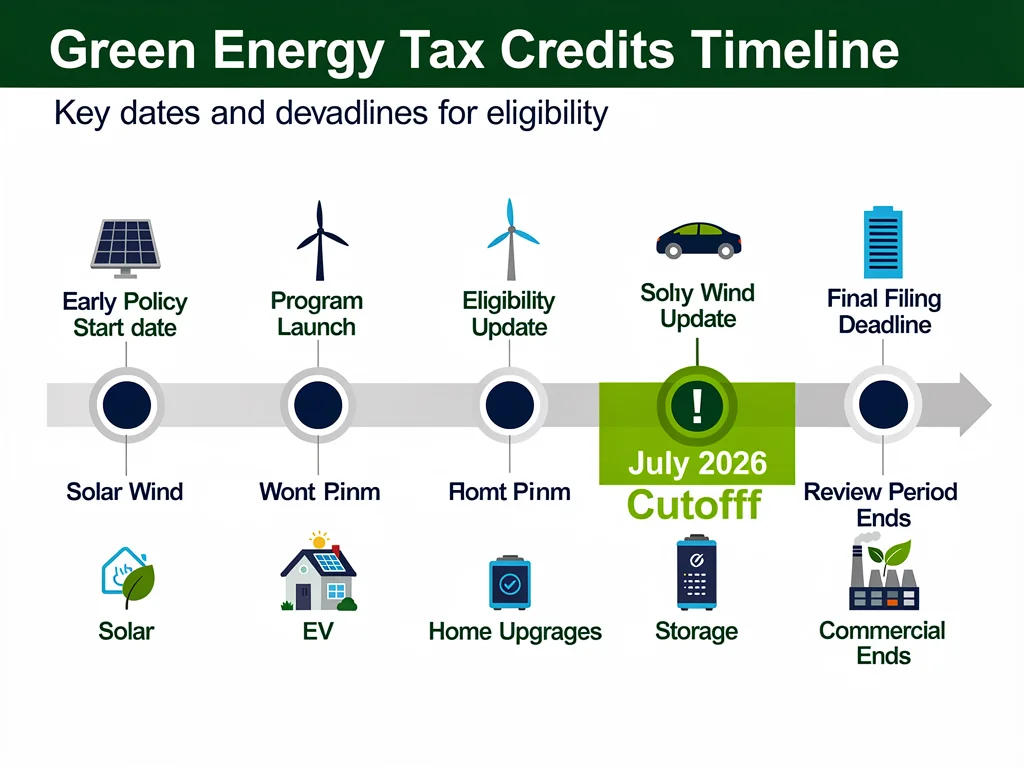
The July 2026 Deadline: What You Need to Know
The approaching deadline of July 2026 for many of these new green energy tax credits introduces a sense of urgency for anyone considering sustainable upgrades. While some credits may be extended or modified in the future, relying on such changes is risky. Understanding the implications of this deadline is crucial for timely decision-making and project completion.
This date isn’t just a distant point on the calendar; it’s a critical marker for planning, procurement, and installation. Projects, especially larger ones, can take time to complete, from initial consultation to final inspection. Therefore, starting the process well in advance of July 2026 is highly advisable to ensure eligibility.
Why the Deadline Matters
The July 2026 deadline is not arbitrary; it represents the current legislative window for these specific incentives. Missing this deadline could mean forfeiting significant financial benefits, as the credit amounts or even their availability might change or expire. For homeowners and businesses alike, this translates directly to the cost-effectiveness of their green investments.
- Credit Reductions: Some credits are structured to decrease in value over time, meaning the percentage of costs covered might be lower closer to the deadline.
- Expiration: Certain credits may expire entirely, leaving no federal incentive for particular technologies after July 2026.
- Project Lead Times: The process of selecting equipment, getting quotes, scheduling installers, and completing the work can take several months, especially for complex projects like solar panel installations or whole-home energy retrofits.
Therefore, treating July 2026 as a firm cutoff for project completion, rather than just initiation, is a safer approach. Delays in material delivery, contractor availability, or inspection schedules can easily push a project past the eligibility window if not carefully managed.
Planning Your Project Before the Deadline
To successfully claim credits before the July 2026 deadline, a structured approach to project planning is essential. Hasty decisions can lead to costly mistakes or missed opportunities.
- Early Research: Begin researching eligible technologies and reputable contractors now. Get multiple quotes to compare costs and services.
- Budget Allocation: Secure financing or allocate funds for your project well in advance.
- Contractor Selection: Choose contractors with a proven track record and ensure they are aware of the tax credit requirements and deadlines. Confirm their availability to complete the work within your desired timeframe.
- Permitting and Inspections: Factor in the time required for local permits and necessary inspections, which can sometimes cause unexpected delays.
Starting your green energy project well before the July 2026 deadline provides a buffer against unforeseen circumstances and allows for a more thoughtful and informed decision-making process. It ensures you can take full advantage of these valuable incentives while they are still available.
Future Outlook: Beyond July 2026
While the immediate focus is on the July 2026 deadline, it’s natural to wonder what lies beyond this date for green energy tax credits. The landscape of environmental policy and energy incentives is dynamic, often influenced by political shifts, technological advancements, and evolving economic priorities. Understanding the potential future trajectory can help in long-term planning, even if specifics remain uncertain.
The commitment to renewable energy and sustainability is a bipartisan issue, albeit with varying approaches. This suggests that some form of incentives will likely continue, though their structure, scope, and value may change. Staying informed about legislative developments will be key for future investments.
Potential Legislative Changes and Extensions
Government policies are rarely static. As the July 2026 deadline approaches, there will likely be discussions and debates regarding the extension, modification, or introduction of new green energy incentives. Several factors could influence these decisions:
- Technological Advancements: As new green technologies emerge or become more cost-effective, incentives may shift to support these innovations.
- Economic Conditions: The state of the economy can influence the government’s capacity and willingness to offer substantial tax credits.
- Climate Goals: Ongoing commitments to national and international climate goals will continue to drive policies aimed at reducing carbon emissions.
- Public and Industry Demand: Strong public interest and industry lobbying can play a significant role in advocating for continued or enhanced incentives.
It is possible that some credits may be extended in their current form, while others might be scaled back or replaced with new programs targeting different aspects of green energy. For instance, there might be a greater emphasis on energy storage solutions or grid modernization in future legislative packages.
Long-Term Investment in Green Energy
Regardless of specific tax credit availability, the long-term trend towards green energy is undeniable. Investing in renewable energy and energy efficiency is not just about short-term tax benefits; it’s about long-term financial savings, environmental responsibility, and increased energy independence.
- Reduced Operating Costs: Renewable energy systems like solar panels can significantly lower or even eliminate electricity bills over their lifespan.
- Increased Property Value: Homes and businesses with green energy features often command higher resale values.
- Environmental Impact: Contributing to a cleaner environment by reducing carbon emissions remains a powerful motivator.
- Energy Security: Generating your own power reduces reliance on fluctuating fossil fuel markets and enhances energy resilience.
Even if future tax credits are less generous, the intrinsic value of green energy investments will likely continue to make them attractive. The decreasing cost of renewable technologies, coupled with rising energy prices, further strengthens the economic case for going green. Therefore, while the July 2026 deadline is important, the broader commitment to sustainable energy is a long-term journey.
Staying informed through reliable news sources, government publications, and energy industry updates will be crucial for anyone looking to make future green energy investments. The landscape will undoubtedly evolve, but the core benefits of sustainable energy are here to stay.
| Key Aspect | Brief Description |
|---|---|
| What are they? | Direct reductions in income tax for investing in renewable energy or energy-efficient technologies. |
| Eligibility | Homeowners, businesses, and sometimes landlords for specific residential and commercial upgrades. |
| Key Technologies | Solar panels, wind turbines, geothermal, energy-efficient windows, insulation, and HVAC systems. |
| Deadline | Many key credits are set to expire or change by July 2026, necessitating timely project planning. |
Frequently Asked Questions About Green Energy Tax Credits
The main benefit is a direct reduction in your federal income tax liability, dollar-for-dollar, for eligible investments in renewable energy or energy-efficient home improvements. This makes sustainable upgrades more affordable and encourages wider adoption, leading to long-term energy savings and environmental benefits.
Yes, these tax credits generally apply to both new construction and existing homes. For existing homes, the credits cover eligible improvements or installations. For new homes, the builder often claims some credits, but buyers might also qualify for certain features installed during construction, depending on the specific credit rules.
Generally, you can claim credits for the cost of eligible equipment, even if you install it yourself. However, you cannot include the value of your own labor in the cost. Always retain detailed receipts for all materials and components to substantiate your claim, and ensure the installed system meets all federal and local codes.
For some residential clean energy credits, if the credit amount exceeds your tax liability, you can carry forward the unused portion to the next tax year. However, this carryforward provision varies by credit, so it’s crucial to check the specific rules for each credit you plan to claim or consult a tax professional.
The most accurate and up-to-date information can be found on the Internal Revenue Service (IRS) website, specifically through their publications and forms related to energy credits. Additionally, the Department of Energy (DOE) often provides helpful guides and resources for homeowners and businesses regarding eligible technologies and programs.
Conclusion
The new green energy tax credits represent a pivotal opportunity for individuals and businesses across the United States to invest in a sustainable future while realizing substantial financial benefits. With the July 2026 deadline fast approaching, understanding the eligibility requirements, qualifying technologies, and strategies for maximizing savings is more critical than ever. Proactive planning, meticulous record-keeping, and staying informed about potential legislative changes are key to fully leveraging these government incentives. Beyond the immediate tax advantages, these credits encourage a broader shift towards energy independence, reduced environmental impact, and long-term cost savings, making now an opportune time to embrace green energy solutions.
Related Posts: