U.S. College Admissions 2026: Key Changes & Applicant Strategies
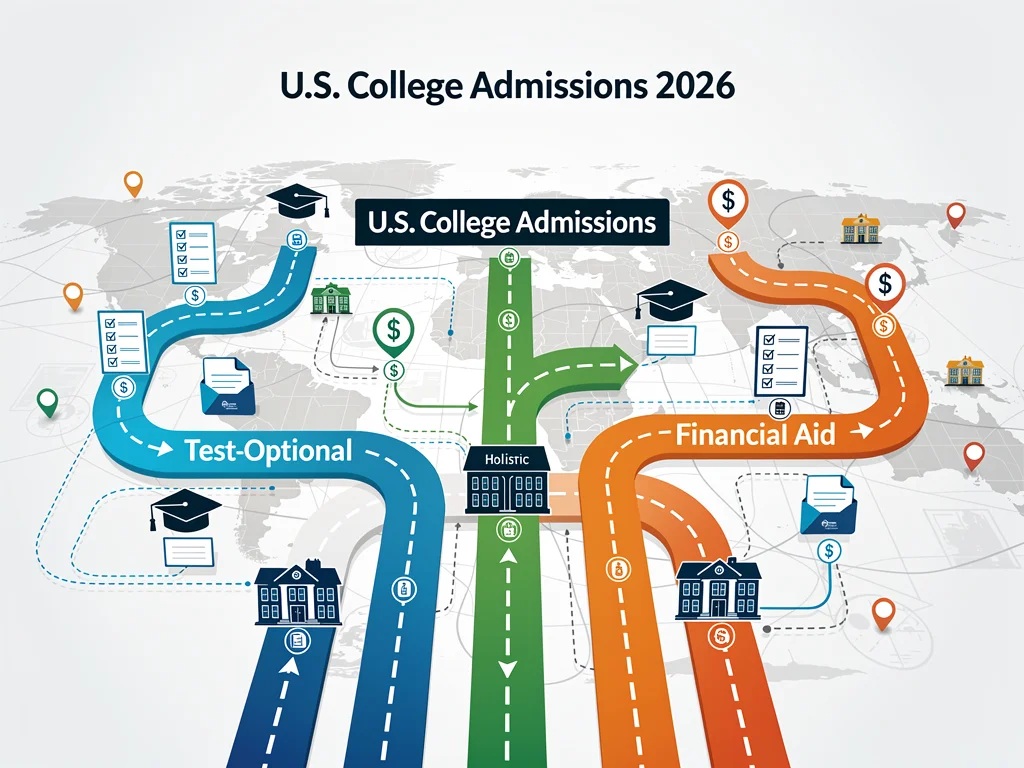
The U.S. college admissions landscape for 2026 is undergoing significant shifts, demanding a proactive and informed approach from applicants to successfully navigate new policies regarding standardized tests, holistic reviews, and financial aid.
Understanding the U.S. college admissions process for 2026 is crucial for prospective students as evolving policies and priorities reshape application requirements and selection criteria, necessitating adaptive strategies for success.
Navigating the complex world of American higher education can feel like an ever-shifting puzzle. For those planning their applications for the 2026 cycle, a clear understanding of the evolving landscape is not just helpful, it’s essential. This guide to U.S. college admissions 2026 will illuminate the significant changes, emerging trends, and practical strategies you’ll need to consider to maximize your chances of acceptance.
The evolving standardized testing landscape
Standardized tests, once a cornerstone of college admissions, continue to undergo significant transformation. The debate over their fairness and efficacy has led many institutions to adopt new policies, profoundly impacting how applicants are evaluated in 2026 and beyond.
For decades, the SAT and ACT scores were paramount, serving as a primary filter for college hopefuls. However, recent years have seen a rapid acceleration in the test-optional movement, driven by concerns over equity and access. This shift means that while some universities still require or recommend scores, many others are making them genuinely optional, allowing students to decide if submitting scores benefits their application.
Test-optional vs. test-blind policies
Understanding the nuances between test-optional and test-blind policies is critical for 2026 applicants. These distinctions directly influence whether your scores will even be considered.
Test-Optional: Under this policy, colleges allow applicants to choose whether or not to submit SAT or ACT scores. If submitted, scores are considered as part of the holistic review; if not, other application components gain more weight.
Test-Blind (or Test-Free): These institutions do not consider standardized test scores at all, even if submitted. Your application will be evaluated solely on other merits, regardless of your performance on the SAT or ACT.
Test-Required: A diminishing number of institutions still mandate test scores. Applicants to these schools must submit valid SAT or ACT results to be considered.
The trend towards test-optional and test-blind policies is largely a response to research indicating that standardized tests can perpetuate socioeconomic and racial disparities. Colleges are increasingly prioritizing a more equitable review process, which involves looking beyond a single test score to a student’s full potential and experiences.
As you prepare for 2026 admissions, research each prospective college’s specific testing policy carefully. This will help you decide whether to invest time and resources in test preparation and taking the exams, or to focus on strengthening other aspects of your application.
The rise of holistic review processes
With standardized tests becoming less central, the concept of holistic review has gained even greater prominence in U.S. college admissions 2026. This approach emphasizes evaluating an applicant’s complete profile, moving beyond grades and scores to understand their unique story and potential contributions to the campus community.
Holistic review means admissions committees are looking at more than just academic performance. They want to see who you are as a person, what drives you, and how you’ve engaged with your community and interests. This comprehensive evaluation considers a wide array of factors, ensuring a well-rounded understanding of each candidate.
Components of a strong holistic application
To succeed in a holistic review environment, applicants must present a compelling narrative across various application components. Each piece of your application contributes to the overall picture.
Academic Performance: Beyond GPA, colleges assess the rigor of your coursework, your performance in challenging subjects, and upward trends in your grades.
Essays and Personal Statements: These are crucial opportunities to showcase your personality, writing skills, critical thinking, and unique experiences not evident elsewhere.
Letters of Recommendation: Strong letters from teachers and counselors can provide valuable insights into your character, work ethic, and contributions in the classroom and beyond.
Extracurricular Activities: Quality often trumps quantity here. Colleges look for sustained involvement, leadership roles, impact, and genuine passion in your activities.
Special Talents or Achievements: Any unique skills, awards, or significant achievements, whether in academics, arts, athletics, or community service, can set you apart.
The goal of holistic review is to build a diverse class of students who will enrich the educational experience for everyone. This means considering socioeconomic background, first-generation status, cultural context, and other personal circumstances that have shaped an applicant’s journey. Applicants should therefore strive to present an authentic and detailed portrayal of themselves, highlighting their strengths and how their experiences align with the values of the institutions they are applying to.
The growing importance of demonstrated interest
In the competitive landscape of U.S. college admissions 2026, showing genuine interest in a particular institution can significantly boost an applicant’s chances. Colleges are increasingly tracking demonstrated interest, as it helps them predict who is most likely to enroll if admitted, impacting their yield rates.
Demonstrated interest goes beyond simply submitting an application. It involves taking proactive steps to engage with the college and learn more about what it offers. This engagement signals to admissions committees that you are serious about attending their institution and have done your homework.
Effective ways to demonstrate interest
There are numerous ways applicants can effectively communicate their interest to colleges. Being strategic and consistent in these efforts can make a real difference.
Campus Visits (In-Person or Virtual): Attending official information sessions, tours, or virtual events shows you are taking the time to explore the campus and its programs.
Attending College Fairs and High School Visits: Engaging with admissions representatives at these events, asking thoughtful questions, and providing your contact information leaves a positive impression.
Emailing Admissions Counselors: Sending personalized, well-written emails with specific questions demonstrates initiative and allows you to build a connection. Avoid generic questions that can be easily answered on the college website.
Engaging with College Social Media: Liking, commenting, or sharing posts from the college’s official social media accounts can show passive interest, but direct engagement is more impactful.
Applying Early Decision or Early Action: These application options are the strongest indicators of demonstrated interest, particularly Early Decision, which is binding.
It’s important to be authentic in your demonstrated interest. Colleges can often discern genuine curiosity from superficial engagement. Tailor your efforts to each institution, showcasing why that particular school is the right fit for you. This personalized approach not only impresses admissions officers but also helps you determine if the college truly aligns with your academic and personal goals.
Financial aid and affordability considerations
As college costs continue to rise, financial aid remains a critical factor for many families navigating U.S. college admissions 2026. Understanding the various types of aid available and how to apply for them is essential for making higher education accessible and affordable.
The financial aid landscape is dynamic, with federal, state, and institutional programs constantly evolving. Families should start their financial planning early to explore all available options and understand the true cost of attendance at prospective colleges.
Key financial aid components
Financial aid typically comprises several components, each with its own criteria and application process. A comprehensive understanding helps families strategize effectively.
Grants and Scholarships: This is “gift aid” that does not need to be repaid. It can be need-based (federal Pell Grants, institutional grants) or merit-based (awarded for academic achievement, talent, or specific skills).
Federal Student Loans: These loans are offered by the U.S. Department of Education with favorable terms, such as fixed interest rates and income-driven repayment plans. They must be repaid with interest.
Work-Study Programs: This program allows students to earn money to help pay for educational expenses through part-time jobs, often on campus, arranged by the college.
Private Loans: Offered by banks or other private lenders, these loans typically have higher interest rates and less flexible repayment options than federal loans. They should generally be a last resort.
The primary forms for applying for financial aid are the Free Application for Federal Student Aid (FAFSA) and the CSS Profile. The FAFSA determines eligibility for federal aid, while the CSS Profile is used by many private colleges to award institutional aid. Both require detailed financial information from families. It is crucial to complete these forms accurately and by their respective deadlines to maximize your aid eligibility. Early application for financial aid is often advantageous, as some institutional aid can be awarded on a first-come, first-served basis.
Crafting a compelling personal narrative
In an admissions cycle increasingly focused on holistic review, a compelling personal narrative is more vital than ever for U.S. college admissions 2026. Your application should tell a coherent and authentic story about who you are, what you value, and what you aspire to achieve.
Colleges want to admit individuals, not just statistics. Your personal narrative weaves together your academic achievements, extracurricular involvement, essays, and letters of recommendation into a cohesive portrait. It’s about demonstrating your unique voice and perspective.
Elements of a powerful narrative
Developing a strong personal narrative requires introspection and strategic presentation of your experiences. Consider what truly defines you and how you can convey that effectively.
Authenticity: Be yourself. Admissions committees can spot generic or fabricated stories. Your narrative should reflect your genuine experiences, thoughts, and feelings.
Show, Don’t Tell: Instead of simply stating you are resilient, share a specific anecdote that demonstrates your resilience in action. Use vivid details to bring your experiences to life.
Cohesion Across Components: Ensure your essays, activity list, and recommendations reinforce each other, painting a consistent picture of your character and interests.
Reflection and Growth: Colleges are interested in how you’ve learned from challenges and grown from your experiences. Highlight moments of self-discovery and development.
Impact and Contribution: Articulate how your experiences have not only shaped you but also how you’ve made a positive impact on your community or others.
Your personal statement and supplemental essays are prime opportunities to showcase your narrative. Use these spaces to delve into topics that truly matter to you, demonstrating your intellectual curiosity, personal values, and unique perspective. Seek feedback from trusted mentors, teachers, or counselors to refine your story and ensure it resonates effectively with admissions readers.
The importance of early planning and research
Successful navigation of U.S. college admissions 2026 hinges significantly on early planning and thorough research. Starting early allows applicants to strategically build a strong profile, identify best-fit institutions, and meet all crucial deadlines without undue stress.
The college application process is not a sprint; it’s a marathon. Proactive engagement, beginning well before senior year, provides a distinct advantage, enabling students to explore interests, excel academically, and make informed decisions about their future.
Key steps for early preparation
A structured approach to early planning can demystify the admissions process and empower students to take control of their journey.
Academic Course Selection: Choose challenging courses that align with your interests and potential majors. Show a commitment to academic rigor throughout high school.
Extracurricular Exploration: Engage in activities you genuinely enjoy and can commit to long-term. Seek leadership roles and opportunities to make a tangible impact.
College Research: Begin exploring colleges early. Consider factors like academic programs, campus culture, location, size, and financial aid opportunities. Create a balanced list of “reach,” “target,” and “safety” schools.
Standardized Test Planning: Decide if and when you will take the SAT or ACT based on your target schools’ policies. Plan for prep time and potential re-takes.
Essay Brainstorming: Start thinking about potential essay topics and themes that highlight your unique qualities and experiences.
Early engagement with the college search process also includes attending virtual and in-person college fairs, connecting with admissions representatives, and utilizing online resources. The more you learn about different institutions and what they seek in applicants, the better equipped you will be to tailor your application to highlight your strengths and fit. This foundational work reduces last-minute pressure and allows for a more thoughtful and deliberate application strategy.
Leveraging resources and support systems
Navigating the complexities of U.S. college admissions 2026 doesn’t have to be a solitary journey. Leveraging available resources and building a strong support system can provide invaluable guidance, reduce stress, and enhance the overall application experience.
Students and families often overlook the wealth of support available, from high school counselors to online platforms and community organizations. Tapping into these resources can demystify the process and offer expert advice tailored to individual circumstances.
Essential support avenues
A robust support network can make a significant difference in the quality of your application and your peace of mind throughout the admissions cycle.
High School Counselors: These professionals are often the first and most accessible resource. They can help with course selection, standardized test planning, college list building, essay review, and understanding financial aid forms.
Admissions Office Representatives: Don’t hesitate to reach out to college admissions offices directly with specific questions. Their insights can be highly valuable.
Online Portals and Websites: Official college websites, the Common Application, Coalition Application, and financial aid sites like FAFSA and CSS Profile are indispensable for information and application submission.
Mentors and Teachers: Teachers who know you well can offer strong letters of recommendation and provide guidance on academic interests. Mentors can offer real-world advice and encouragement.
Community-Based Organizations: Many non-profit organizations offer free or low-cost college advising, test preparation, and financial aid assistance, especially for underserved students.
Remember that seeking help is a sign of strength, not weakness. Actively engaging with your support system ensures you have multiple perspectives and expert advice at each stage of the application process. This collaborative approach can help you identify opportunities you might have missed, refine your application materials, and maintain a positive outlook during what can be an intensive period.
Key Aspect
Brief Description
Standardized Testing
Many colleges are test-optional or test-blind; check individual school policies carefully.
Holistic Review
Emphasis on comprehensive applicant profiles beyond grades and scores, including essays and activities.
Demonstrated Interest
Engaging with colleges through visits, emails, and early applications can boost admission chances.
Financial Aid
Early FAFSA/CSS Profile submission is crucial for grants, scholarships, and loans.
Frequently asked questions about 2026 college admissions
Will standardized tests like the SAT and ACT still be important for 2026 admissions?▼
While many colleges are moving towards test-optional or test-blind policies, some highly selective institutions may still consider scores. It is crucial to check the specific requirements of each college on your list to determine if submitting scores is beneficial or necessary.
How can I make my application stand out in a holistic review process?▼
To stand out, focus on crafting a compelling personal narrative through strong essays, meaningful extracurricular involvement, and impactful letters of recommendation. Showcase your unique personality, intellectual curiosity, and how your experiences align with the college’s values.
What is “demonstrated interest” and how do I show it?▼
Demonstrated interest refers to actions that show a college you are genuinely interested in attending. This can include campus visits (virtual or in-person), attending college fairs, emailing admissions counselors with thoughtful questions, and applying early decision or early action.
When should I start preparing for college applications for 2026?▼
Early planning is key. Ideally, students should start preparing during their freshman or sophomore year of high school by focusing on strong academic performance, engaging in meaningful extracurriculars, and beginning college research. This allows for a more strategic and less stressful application process.
What are the most important financial aid forms to complete?▼
The two most critical financial aid forms are the Free Application for Federal Student Aid (FAFSA) and, for many private institutions, the CSS Profile. Completing these accurately and by their respective deadlines is essential for maximizing your eligibility for federal and institutional aid.
Conclusion
The landscape of U.S. college admissions 2026 presents both challenges and opportunities for prospective students. With ongoing shifts in standardized testing policies, a heightened focus on holistic review, and the continued importance of financial aid, applicants must adopt a strategic, well-informed approach. Early planning, thorough research, and the cultivation of a compelling personal narrative are no longer just advantages but necessities. By leveraging available resources, demonstrating genuine interest, and understanding the nuances of each institution’s requirements, students can confidently navigate this evolving environment. The journey to higher education remains a deeply personal one, and with careful preparation, the doors to opportunity are wide open.
I'm a journalist with a passion for creating engaging content. My goal is to empower readers with the knowledge they need to make informed decisions and achieve their goals.