Early Childhood Education: Federal Initiatives & 2026 Funding
The landscape of early childhood education in the U.S. is evolving with new federal initiatives aimed at expanding access and improving quality. Understanding these policies is crucial for stakeholders seeking to leverage 2026 funding opportunities and enhance child development outcomes.
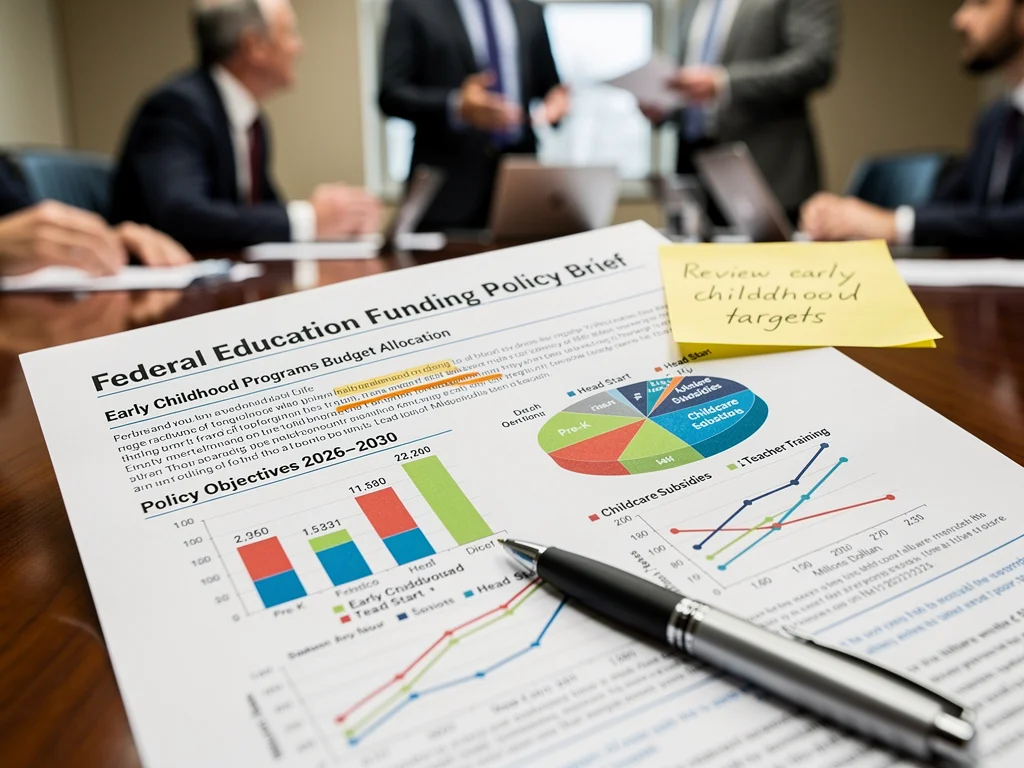
Federal initiatives are significantly shaping early childhood education in the U.S., focusing on expanding access, enhancing program quality, and ensuring equitable outcomes through strategic funding allocations planned for 2026.
The landscape of early childhood education in the United States is undergoing significant transformation, driven by a renewed focus on its critical role in child development and societal well-being. Understanding the latest federal initiatives for 2026 funding is paramount for educators, policymakers, parents, and community leaders. These initiatives promise to reshape how young children receive foundational learning experiences, impacting everything from curriculum design to educator training and facility improvements.
The Shifting Landscape of Federal Early Childhood Education Policy
Federal involvement in early childhood education has historically been a patchwork of programs, but recent years have seen a concerted effort to create a more cohesive and impactful national strategy. This shift acknowledges the irrefutable evidence that high-quality early learning experiences contribute to long-term academic success, economic stability, and overall societal health. The current administration and legislative bodies are actively working to address existing gaps in access, affordability, and quality across states, setting the stage for significant changes by 2026.
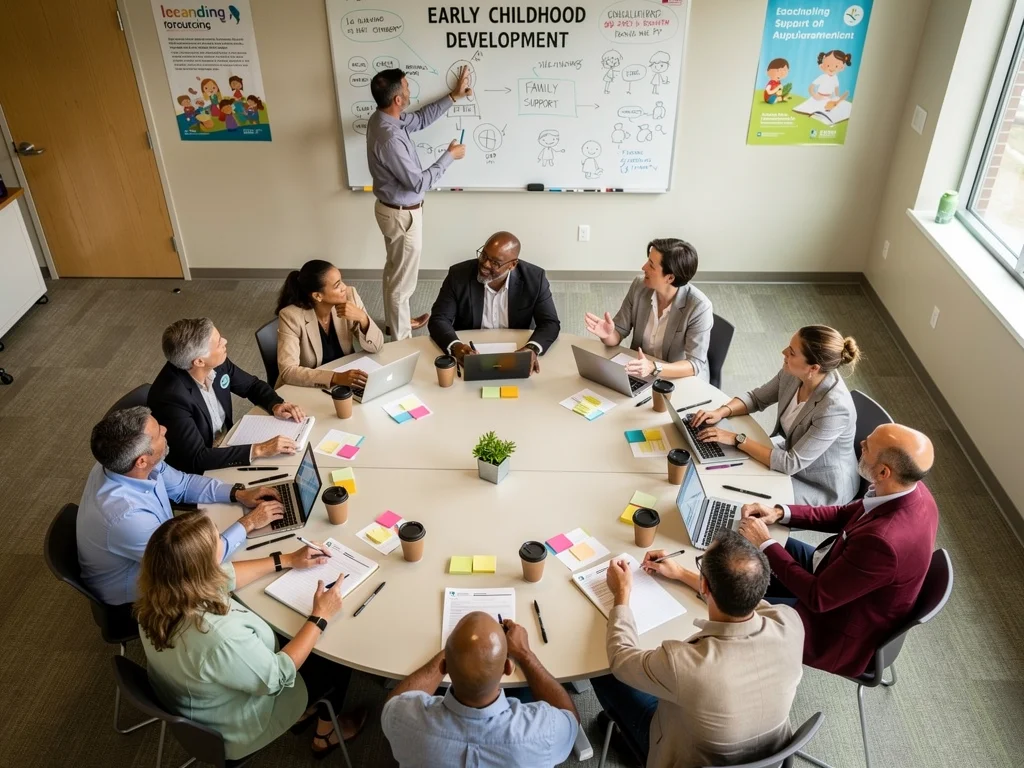
These policy shifts are not merely incremental adjustments; they represent a fundamental re-evaluation of how the nation supports its youngest learners. The emphasis is increasingly on a comprehensive approach that considers the child’s entire ecosystem, including family support, health services, and community resources. This holistic view aims to create a more robust and equitable foundation for all children, regardless of their socioeconomic background or geographic location. The goal is to move beyond simply providing childcare to fostering genuine early learning environments that prepare children for kindergarten and beyond.
Key Legislative Drivers and Their Impact
Several pieces of legislation and proposed bills are acting as catalysts for these changes. These legislative efforts often aim to either expand existing successful programs or introduce innovative models that can be scaled nationwide. Understanding these drivers is crucial for anticipating the direction of federal funding.
Reauthorization of the Child Care and Development Block Grant (CCDBG): This foundational grant program is a primary mechanism for federal child care assistance, and its reauthorization often brings updated requirements and increased funding potential.
Proposed Universal Pre-Kindergarten Initiatives: While often debated, proposals for universal pre-K at the federal level continue to gain traction, signaling a potential for massive investment in preschool access.
Expansion of Head Start and Early Head Start: These long-standing programs are often targeted for increased funding and programmatic enhancements to better serve vulnerable populations.
The cumulative effect of these legislative drivers is a push towards greater standardization of quality, increased professional development for early childhood educators, and broader access for families who currently lack affordable options. These changes are designed to ensure that federal investments yield tangible improvements in child outcomes and strengthen the early learning infrastructure across the country.
Understanding the Core Tenets of New Federal Initiatives
The latest federal initiatives are built upon several foundational principles designed to maximize impact and ensure equitable access to high-quality early learning. These tenets reflect a growing consensus among experts and policymakers about what constitutes effective early childhood education. They move beyond mere custodial care, focusing instead on developmental appropriateness, cultural responsiveness, and family engagement.
At the heart of these initiatives is the recognition that early learning is not a one-size-fits-all endeavor. Programs are encouraged to be flexible and adaptive, meeting the unique needs of diverse communities and families. This includes supporting dual language learners, children with disabilities, and those from low-income households. The federal government aims to provide the framework and resources, empowering states and local communities to implement programs that resonate with their specific populations.
Pillars of Federal Investment for 2026
Federal funding for 2026 is expected to prioritize specific areas deemed critical for improving the early childhood education system. These pillars represent strategic investments intended to create lasting positive change.
Workforce Development and Compensation: A significant portion of funding is earmarked for improving the recruitment, retention, and compensation of early childhood educators. This includes professional development opportunities, higher education pathways, and salary supplements to attract and keep qualified staff.
Quality Improvement and Standards: Initiatives will support states in developing and implementing robust quality rating and improvement systems (QRIS), enhancing curriculum development, and ensuring safe and stimulating learning environments.
Access and Affordability: Funding will aim to expand the availability of high-quality programs, particularly in underserved communities, and make these programs more affordable for working families through subsidies and direct grants.
These pillars are interconnected; for instance, investing in workforce development directly impacts program quality, which in turn improves access for families seeking the best possible care and education for their children. The federal strategy is to create a virtuous cycle of improvement, where each investment reinforces the others, leading to a stronger overall system.
Funding Mechanisms and Allocation Strategies for 2026
The federal government utilizes a variety of mechanisms to channel funds into early childhood education, each with its own set of rules, eligibility criteria, and intended outcomes. For 2026, there is an anticipated emphasis on streamlining some of these processes while also introducing new, more targeted funding streams. Understanding these mechanisms is crucial for states, local agencies, and providers seeking to access these resources.
Traditionally, block grants have been a primary vehicle, offering states flexibility in how they allocate funds to meet local needs. However, there’s a growing trend towards more performance-based funding and competitive grants that incentivize innovation and evidence-based practices. This shift encourages recipients to demonstrate measurable improvements in child outcomes and program quality, aligning federal investments with tangible results.
Navigating Federal Grant Opportunities
Securing federal funding requires a clear understanding of the application process, reporting requirements, and compliance standards. For 2026, it’s expected that federal agencies will continue to provide technical assistance to help states and local entities navigate these complexities.
Key funding streams to watch include:
Child Care and Development Fund (CCDF): This remains a cornerstone, providing subsidies for low-income families and supporting state quality improvement efforts. Anticipate potential changes in matching requirements or allowable uses.
Head Start and Early Head Start Grants: These direct grants to local programs are likely to see continued investment, with a focus on comprehensive services and family engagement.
Preschool Development Grants (PDG B-5): These competitive grants help states build or enhance their early childhood systems, focusing on collaboration, needs assessments, and strategic planning. Further rounds are expected.
Beyond these established programs, new discretionary grants may emerge, targeting specific innovations such as integrating early childhood education with healthcare services, expanding dual language programs, or piloting new professional development models. Staying abreast of federal announcements and grant solicitations will be key for stakeholders aiming to secure 2026 funding.
Impact on States and Local Communities: Opportunities and Challenges
The influx of federal initiatives and funding for 2026 presents both significant opportunities and considerable challenges for states and local communities. While increased resources are always welcome, they often come with new mandates, reporting requirements, and the need for substantial systemic changes. States will need to strategically align their existing early childhood systems with federal priorities to maximize the benefits of these investments.
One of the primary opportunities lies in the potential to dramatically expand access to high-quality early learning for underserved populations. Federal funding can bridge gaps in local budgets, allowing for new program development, facility upgrades, and the recruitment of more qualified educators. This can lead to a more equitable distribution of early childhood services, reducing disparities that often emerge before children even enter kindergarten.
Addressing Implementation Hurdles
Despite the positive potential, states and local communities will face hurdles in effectively implementing these new initiatives. These challenges often involve navigating complex bureaucratic processes and ensuring that new programs are sustainable beyond initial federal funding cycles.
Workforce Shortages: Even with increased funding for compensation, the existing shortage of qualified early childhood educators remains a significant barrier to program expansion.
Infrastructure and Facilities: Many communities lack adequate physical infrastructure to accommodate a significant expansion of early learning programs, requiring substantial capital investment.
Coordination and Integration: States often have fragmented early childhood systems, making it challenging to integrate new federal initiatives seamlessly with existing state and local programs.
Successful implementation will require strong state-level leadership, effective cross-agency collaboration, and robust community engagement. Local communities, in turn, will need to be proactive in identifying their specific needs and advocating for resources that align with federal priorities, ensuring that funding translates into tangible improvements for children and families.
The Role of Technology and Innovation in Early Childhood Education
As federal initiatives evolve, there’s a growing recognition of the transformative potential of technology and innovative approaches in early childhood education. Beyond traditional classroom settings, digital tools, adaptive learning platforms, and virtual professional development are becoming integral components of a modern early learning ecosystem. The 2026 funding landscape is expected to encourage the adoption of evidence-based technological solutions that enhance learning outcomes and program efficiency.
Technology can play a crucial role in bridging geographical divides, providing access to high-quality curricula and resources for children in rural or underserved areas. It also offers powerful tools for individualized learning, allowing educators to tailor experiences to each child’s pace and style. Furthermore, data analytics driven by educational technology can help programs track progress, identify areas for improvement, and demonstrate accountability, aligning with federal expectations for measurable results.
Leveraging Innovation for Enhanced Outcomes
Federal initiatives are increasingly looking to support innovative models that can disrupt traditional barriers to access and quality. This includes exploring new ways to deliver services, train educators, and engage families.
Tele-Intervention and Remote Learning: For children with special needs or those in remote areas, tele-intervention services can provide crucial early support, and remote learning tools can supplement in-person instruction.
Digital Professional Development: Online modules, virtual coaching, and digital resource libraries can provide flexible and scalable professional learning opportunities for early childhood educators, addressing workforce development needs.
Parent Engagement Platforms: Technology can facilitate stronger home-school connections through apps and platforms that share learning activities, developmental milestones, and communication tools between educators and families.
The integration of technology and innovation is not about replacing human interaction but rather augmenting it, providing educators with more tools and families with more resources to support young children’s development. Federal funding will likely prioritize proposals that demonstrate a thoughtful and effective integration of these elements, ensuring that technology serves as a tool for equity and excellence in early childhood education.
Preparing for 2026: Strategies for Stakeholders
With significant federal initiatives and funding on the horizon for 2026, stakeholders across the early childhood education spectrum need to proactively prepare. This involves understanding the evolving policy landscape, aligning local strategies with federal priorities, and building the capacity to effectively implement new programs and utilize available resources. Preparation is key to maximizing the positive impact of these investments.
For state agencies, this means conducting thorough needs assessments, developing comprehensive strategic plans, and fostering cross-agency collaboration. For local providers, it involves strengthening program quality, investing in staff development, and building strong relationships with community partners. Parents and advocates also have a critical role to play in staying informed and advocating for policies that best serve their children and communities.
Actionable Steps for Maximizing Federal Funding
To effectively leverage the anticipated 2026 federal funding, various stakeholders can take concrete steps now to position themselves for success.
For State Departments of Education/Early Learning:
Develop a robust statewide early childhood strategic plan that aligns with federal goals (e.g., workforce development, quality improvement, access).
Strengthen data collection and reporting systems to demonstrate program effectiveness and accountability.
Foster inter-agency collaboration (e.g., health, social services) to create a more integrated system.
For Local Child Care Providers and Preschools:
Invest in professional development for staff, focusing on evidence-based practices and new curriculum standards.
Review and enhance program quality, aiming for higher ratings in state QRIS systems.
Build partnerships with local schools, health providers, and community organizations to offer comprehensive services.
For Parents and Advocates:
Stay informed about federal and state policy changes through reliable sources.
Engage with local and state policymakers to voice support for strong early childhood investments.
Participate in parent advisory committees and community forums to share insights and needs.
By taking these proactive steps, stakeholders can ensure that the significant federal investments slated for 2026 translate into tangible, positive outcomes for young children and families across the United States. The goal is to build a resilient, equitable, and high-quality early childhood education system that serves as a strong foundation for future generations.
Key Aspect
Brief Description
Policy Focus
Federal initiatives aim for comprehensive, equitable access and quality improvement in early learning.
Funding Pillars
Priorities include workforce development, quality standards, and expanding access/affordability.
Funding Mechanisms
Mix of block grants (CCDF), direct grants (Head Start), and competitive grants (PDG B-5).
Stakeholder Action
Proactive planning, alignment with federal goals, and capacity building are crucial for success.
Frequently Asked Questions About 2026 Early Childhood Funding
What are the primary goals of the new federal early childhood initiatives?▼
The primary goals are to expand access to high-quality early childhood education, improve program quality through enhanced standards and professional development, and ensure affordability for all families. These initiatives aim to create a more equitable and robust foundation for children’s learning and development across the United States.
How will these federal initiatives impact early childhood educators?▼
Federal initiatives are expected to significantly impact educators by increasing investment in workforce development, professional learning opportunities, and potentially improved compensation. The goal is to attract and retain a highly qualified early childhood workforce, recognizing their critical role in children’s development and learning outcomes. This can lead to more stable careers.
What role will states play in implementing these federal initiatives?▼
States will play a crucial role in implementing federal initiatives by developing strategic plans, allocating funds to local programs, and ensuring compliance with federal guidelines. They are responsible for adapting federal priorities to meet local needs, building integrated early childhood systems, and reporting on outcomes to ensure accountability and effective use of funds.
How can local programs prepare to apply for 2026 federal funding?▼
Local programs should prepare by enhancing their program quality, investing in staff professional development, and building strong community partnerships. They should stay informed about federal grant opportunities, understand eligibility criteria, and develop robust proposals that align with federal priorities for access, quality, and equity in early childhood education.
Will there be a focus on technology and innovation in the new funding?▼
Yes, federal funding is increasingly recognizing the importance of technology and innovation. Initiatives are likely to support the adoption of evidence-based digital tools for learning, professional development, and parent engagement. The aim is to leverage technology to enhance learning outcomes, bridge access gaps, and improve the efficiency and effectiveness of early childhood education programs.
Conclusion
The upcoming federal initiatives and funding for early childhood education in 2026 signify a pivotal moment for the United States. With a clear focus on expanding access, enhancing quality, and ensuring equity, these efforts aim to build a stronger foundation for the nation’s youngest learners. While opportunities abound for states, communities, and providers to strengthen their early learning systems, success will hinge on proactive planning, strategic alignment with federal priorities, and collaborative efforts across all stakeholders. By working together, we can ensure that every child has the opportunity to thrive in high-quality early learning environments, setting them on a path for lifelong success and contributing to a more prosperous society.
I'm a journalist with a passion for creating engaging content. My goal is to empower readers with the knowledge they need to make informed decisions and achieve their goals.