Parental Involvement in U.S. Education: 2026 Strategies
Effective parental involvement in U.S. education is crucial for academic success, evolving in 2026 to embrace digital tools, personalized learning, and stronger school-home communication for student achievement and well-being.
Effective parental involvement in U.S. education is crucial for academic success, evolving in 2026 to embrace digital tools, personalized learning, and stronger school-home communication for student achievement and well-being.
The landscape of U.S. education is constantly evolving, and with it, the critical role of parental engagement. In 2026, parental involvement education is no longer just about attending parent-teacher conferences; it encompasses a dynamic array of strategies designed to foster academic success and holistic student development. This article delves into the innovative approaches schools and families are adopting to build stronger partnerships, ensuring every child thrives in their educational journey.
The evolving role of parents in modern education
Parental involvement has always been a cornerstone of effective education, yet its definition and practical application have undergone significant transformations. In today’s educational environment, particularly as we look towards 2026, parents are increasingly seen as integral partners rather than mere spectators. This shift acknowledges the profound impact that home-based support and engagement have on a child’s academic trajectory and overall well-being. The traditional model, often limited to school events and report card discussions, is giving way to a more integrated, continuous, and collaborative approach.
The modern understanding of parental involvement extends beyond academic assistance to include emotional support, advocacy, and active participation in school governance. This expanded role requires new strategies and a deeper understanding of how parents can best contribute to their children’s learning. Schools are recognizing the need to meet parents where they are, offering flexible and accessible avenues for engagement that reflect the diverse needs and schedules of contemporary families. Building trust and open communication channels are paramount in fostering these stronger relationships.
Beyond traditional engagement: new dimensions
Digital engagement: Leveraging technology for communication, learning resources, and progress tracking.
Advocacy and policy: Parents actively participating in school board meetings and educational policy discussions.
Home learning environment: Creating supportive and stimulating learning spaces within the home.
Social-emotional support: Partnering with schools to address students’ mental health and well-being.
Ultimately, the evolving role of parents in modern education in 2026 is about creating a seamless ecosystem of support for students. This ecosystem thrives on mutual respect, shared responsibility, and a collective commitment to educational excellence. Schools are exploring innovative ways to empower parents, providing them with the tools, information, and opportunities they need to be effective partners in their children’s academic journeys. This collaboration is not just beneficial; it’s essential for navigating the complexities of 21st-century learning environments.
Leveraging technology for enhanced parental involvement
In 2026, technology stands as a powerful enabler for fostering greater parental involvement in education. Digital platforms and tools have revolutionized how schools communicate with families, providing real-time updates, access to resources, and personalized insights into student progress. This technological integration moves beyond simple email newsletters, creating dynamic and interactive channels that keep parents informed and engaged in their child’s educational journey like never before.
The adoption of learning management systems (LMS) and dedicated parent portals has become widespread, offering a centralized hub for grades, assignments, attendance, and direct messaging with teachers. These platforms empower parents to monitor their child’s academic standing, understand curriculum expectations, and intervene proactively when challenges arise. Furthermore, mobile applications designed for school-home communication are making it easier for busy parents to stay connected, receiving push notifications about important announcements, events, and individual student feedback.
Key digital tools and their impact
Parent portals: Centralized access to grades, assignments, attendance, and communication.
Communication apps: Real-time messaging with teachers and school staff, group announcements.
Online learning resources: Curated educational content, tutorials, and supplementary materials for home use.
Virtual parent-teacher conferences: Flexible scheduling and participation options for parents with busy schedules.
Beyond communication, technology also facilitates parental involvement in learning activities. Many schools now provide online libraries, educational games, and interactive platforms that parents can use with their children at home to reinforce classroom learning. This creates a more cohesive learning experience, bridging the gap between school and home. The ongoing challenge remains ensuring equitable access to technology and digital literacy for all families, a focus area for many educational initiatives in the coming years. By strategically leveraging technology, schools can significantly enhance parental involvement, transforming it into a more accessible, transparent, and impactful partnership.
Personalized learning and parental collaboration
The shift towards personalized learning, a prominent trend in U.S. education for 2026, inherently demands a higher degree of parental collaboration. When learning pathways are tailored to individual student needs, strengths, and interests, parents become indispensable partners in understanding these nuances and supporting their child’s unique educational journey. This collaborative approach moves away from a one-size-fits-all model, recognizing that each student benefits from a bespoke educational experience that extends beyond the classroom.
Schools are increasingly involving parents in the development and review of personalized learning plans (PLPs). These plans, which might include specific academic goals, enrichment activities, or support strategies, are most effective when informed by parental insights into a child’s personality, learning style, and out-of-school experiences. Regular communication between teachers and parents ensures that these plans remain relevant and effective, adapting as the student progresses and their needs evolve. This shared understanding of a child’s learning profile fosters a more consistent and supportive environment.
Strategies for collaborative personalized learning
To facilitate this collaboration, educators are employing several strategies. Open dialogue about student progress, challenges, and successes is paramount. This can take the form of structured meetings, informal check-ins, or digital updates. Furthermore, schools are providing parents with resources and training to understand personalized learning methodologies, enabling them to better support their children at home. This might include workshops on growth mindset, project-based learning, or how to utilize online educational tools effectively.
Joint goal setting: Parents and teachers collaborate to define specific academic and developmental goals for the student.
Regular progress reviews: Scheduled meetings and digital updates to discuss student advancement and adjust strategies.
Home-based project support: Guiding parents on how to assist with personalized projects and independent study.
Understanding learning styles: Educating parents on their child’s preferred learning methods to enhance home support.
The success of personalized learning hinges on this robust partnership. When parents feel empowered and informed, they can actively contribute to creating a rich and responsive learning environment that caters to their child’s individual requirements. This symbiotic relationship between home and school is a critical component of academic success in the personalized education landscape of 2026, ensuring that students receive comprehensive support tailored to their unique potential.
Building strong school-home communication channels
Effective communication is the bedrock of any successful partnership, and in the context of parental involvement in U.S. education, it is absolutely vital. For 2026, schools are prioritizing the establishment of robust, multi-faceted communication channels that ensure clear, consistent, and respectful dialogue between educators and families. This goes beyond one-way information dissemination, aiming for a true exchange of ideas and concerns that benefits the student.
One key aspect of building strong communication is understanding and addressing language barriers and cultural differences within diverse school communities. Schools are increasingly investing in translation services, bilingual staff, and culturally sensitive communication practices to ensure that all parents feel heard and understood. This inclusive approach fosters trust and encourages greater participation from families who might otherwise feel marginalized or excluded from the educational process.
Diverse communication strategies for 2026
Multilingual communication: Providing information in multiple languages to reach all families effectively.
Dedicated parent coordinators: Staff members focused on bridging the gap between home and school.
Open-door policies: Encouraging parents to visit the school and engage with staff regularly.
Regular feedback mechanisms: Surveys, suggestion boxes, and forums for parents to share their perspectives.
Furthermore, the nature of communication is evolving to be more proactive and solution-oriented. Instead of only reaching out when problems arise, schools are establishing regular check-ins to celebrate successes, discuss progress, and collaboratively address minor concerns before they escalate. This proactive stance builds a positive relationship, making parents more receptive to feedback and more willing to partner with the school. The goal is to create a culture where communication is seen as an ongoing conversation, rather than a series of isolated interactions, ultimately strengthening the entire educational community.
Parental advocacy and school governance
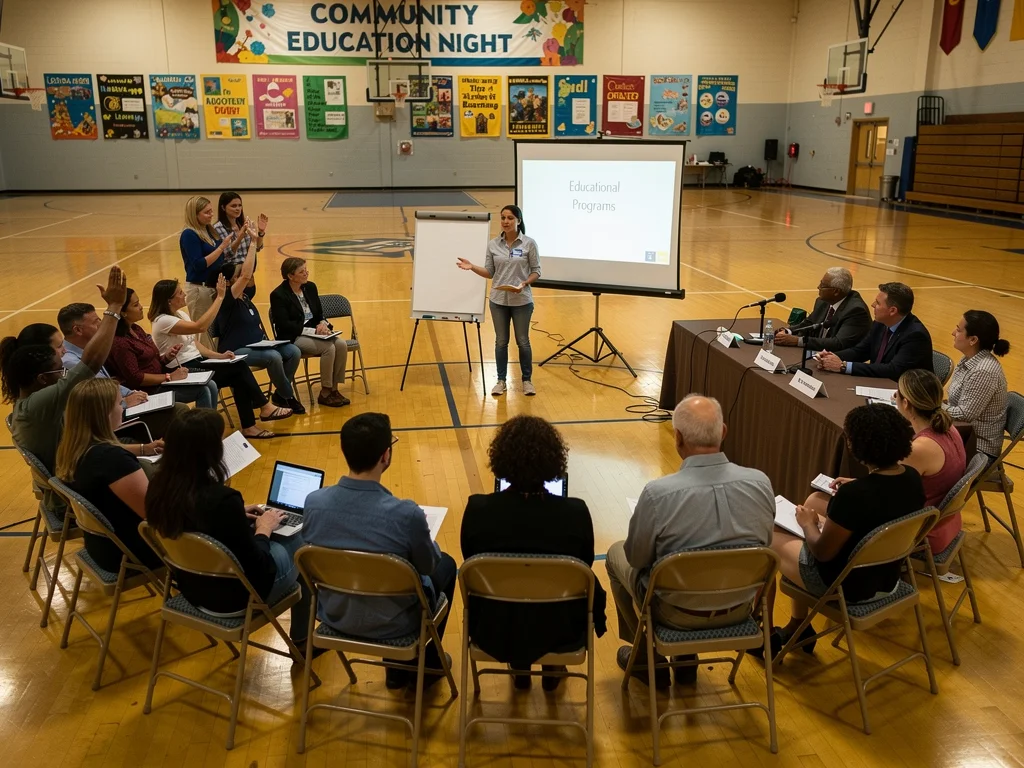
Beyond direct involvement in their child’s learning, parental advocacy and participation in school governance represent a powerful form of engagement that is gaining prominence in 2026. Parents, as primary stakeholders, possess unique insights into the needs of students and families, making their voices invaluable in shaping educational policies and school-wide initiatives. This level of involvement transforms parents from passive recipients of information into active contributors to the educational system.
Many schools and districts are actively seeking parental representation on school boards, parent-teacher associations (PTAs), and various advisory committees. These roles provide platforms for parents to influence curriculum development, school budgets, safety protocols, and extracurricular offerings. When parents are involved in governance, decisions are often more reflective of community values and student needs, leading to more relevant and effective educational outcomes. Their lived experiences can offer perspectives that might otherwise be overlooked by administrators.
Empowering parents in school decision-making
To facilitate this deeper level of involvement, schools are implementing strategies to empower parents for advocacy. This includes providing training on school policies, budget processes, and effective advocacy techniques. Workshops on leadership skills, understanding educational legislation, and navigating bureaucratic structures can equip parents to become more impactful change agents within their school communities. The aim is to demystify school governance and make it accessible to all interested parents.
Parent-teacher associations (PTAs/PTOs): Active participation in school event planning, fundraising, and policy input.
School board representation: Electing or appointing parents to serve on local school boards.
Advisory committees: Joining committees focused on specific areas like curriculum, technology, or special education.
Community forums: Providing platforms for parents to voice opinions and contribute to school improvement plans.
By actively engaging parents in school governance and encouraging their advocacy, educational institutions in 2026 are building more democratic, responsive, and ultimately more effective learning environments. This collaborative model ensures that the diverse perspectives of the community are integrated into the decision-making process, leading to better outcomes for all students and a stronger, more united school community.
Addressing barriers to parental involvement
Despite the recognized benefits of parental involvement, numerous barriers can hinder active participation. In 2026, educational systems are placing a greater emphasis on identifying and systematically addressing these obstacles to ensure equitable opportunities for all families to engage. Understanding these challenges is the first step toward developing inclusive and effective strategies that genuinely support diverse parent populations.
Common barriers include time constraints due to work schedules, lack of transportation, language differences, and cultural misunderstandings about the role of parents in education. Some parents may also feel intimidated by the school environment or lack confidence in their ability to assist with academic tasks. Furthermore, previous negative experiences with the education system can create a sense of distrust or reluctance to engage, requiring schools to actively work on rebuilding relationships and fostering a welcoming atmosphere.
Overcoming common barriers
Flexible scheduling: Offering evening or weekend meetings, virtual conferences to accommodate diverse work schedules.
Transportation support: Providing resources or assistance for parents facing transportation challenges.
Bilingual support and cultural competency: Ensuring staff are trained and resources are available in multiple languages.
Parent workshops: Building confidence and skills in areas like homework help, digital literacy, and school navigation.
Community outreach: Schools actively engaging with parents in their own neighborhoods and community centers.
Addressing these barriers requires a multifaceted approach that involves flexibility, cultural sensitivity, and proactive outreach. Schools are increasingly collaborating with community organizations to offer support services, such as childcare during school events or adult education classes that empower parents. By actively listening to parents’ concerns and adapting their approaches, schools can create a more inclusive environment where every parent feels valued, capable, and encouraged to participate in their child’s education, ultimately fostering stronger academic outcomes across the board.
Measuring the impact of parental involvement strategies
As parental involvement strategies evolve in 2026, it becomes increasingly important to effectively measure their impact on student academic success and overall well-being. Simply implementing programs without evaluating their effectiveness can lead to misallocation of resources and a lack of tangible improvements. Therefore, schools are adopting more rigorous methods to assess how different forms of parental engagement translate into positive educational outcomes.
Measurement goes beyond attendance at school events; it involves tracking student performance metrics such as grades, test scores, attendance rates, and behavioral referrals. Schools are also utilizing surveys and feedback forms to gauge parental satisfaction, perceived effectiveness of communication, and their sense of belonging within the school community. Longitudinal studies that follow students over time can provide valuable insights into the long-term benefits of sustained parental involvement.
Key metrics and evaluation methods
The data collected from these measurements helps schools refine their strategies, identify what works best for their specific community, and make data-driven decisions about future initiatives. For instance, if a particular communication app shows high engagement and correlates with improved student attendance, the school might invest more in promoting and enhancing that tool. Conversely, if a program shows low participation despite significant investment, it signals a need for re-evaluation and adaptation.
Academic performance: Tracking grades, standardized test scores, and homework completion rates.
Student attendance and behavior: Monitoring school attendance and reductions in disciplinary incidents.
Parent satisfaction surveys: Assessing parents’ perceptions of school communication and support.
Teacher feedback: Gathering insights from educators on the impact of parental engagement on classroom dynamics.
Program participation rates: Analyzing attendance at workshops, volunteer hours, and online portal usage.
Ultimately, measuring the impact of parental involvement strategies is crucial for accountability and continuous improvement. It allows schools to demonstrate the value of these partnerships to stakeholders and ensures that efforts are directed towards initiatives that yield the most significant positive effects on student learning and development. This analytical approach ensures that parental involvement remains a dynamic and effective force in U.S. education for 2026 and beyond.
Key Strategy
Brief Description
Digital Engagement
Utilizing online platforms and apps for real-time communication, progress tracking, and resource sharing.
Personalized Learning Collaboration
Parents and teachers jointly developing and supporting individualized learning plans for students.
Strong Communication Channels
Establishing clear, consistent, and culturally sensitive dialogue between home and school.
Parental Advocacy & Governance
Empowering parents to participate in school decision-making and policy shaping.
Frequently asked questions about parental involvement
What is the most effective way for parents to support academic success in 2026?▼
The most effective way is through active, consistent communication with teachers and engagement with personalized learning plans. Utilizing digital tools provided by schools to track progress and reinforce learning at home also plays a crucial role in fostering academic success.
How can schools encourage greater parental involvement from diverse communities?▼
Schools can encourage involvement by offering multilingual communications, providing flexible meeting times, addressing transportation barriers, and fostering a culturally sensitive environment. Dedicated parent coordinators can also build trust and bridge communication gaps effectively.
What role does technology play in parental involvement strategies for 2026?▼
Technology plays a pivotal role, enabling real-time access to grades, assignments, and communication with teachers via parent portals and mobile apps. It also provides online learning resources, facilitating home-based learning support and virtual parent-teacher interactions.
Is parental involvement limited to academic support, or does it include other aspects?▼
Parental involvement extends beyond academics to include social-emotional support, advocacy in school governance, and active participation in school community events. It encompasses a holistic approach to student well-being and development, ensuring a supportive environment.
How do schools measure the effectiveness of parental involvement initiatives?▼
Schools measure effectiveness through various metrics, including student academic performance (grades, test scores), attendance rates, behavioral improvements, parent satisfaction surveys, and program participation rates. This data informs strategy refinement and resource allocation.
Conclusion
The journey of parental involvement in U.S. education is continuously evolving, with 2026 marking a period of significant innovation and strategic adaptation. From embracing cutting-edge digital tools to fostering deeply personalized learning experiences and empowering parents in school governance, the focus remains steadfast on creating robust, collaborative partnerships between home and school. Addressing barriers to involvement and rigorously measuring the impact of these strategies are crucial for ensuring equitable and effective educational outcomes for all students. As we move forward, the strength of these alliances will undoubtedly continue to shape the future of education, fostering environments where every child has the opportunity to achieve academic success and thrive holistically.
I'm a journalist with a passion for creating engaging content. My goal is to empower readers with the knowledge they need to make informed decisions and achieve their goals.